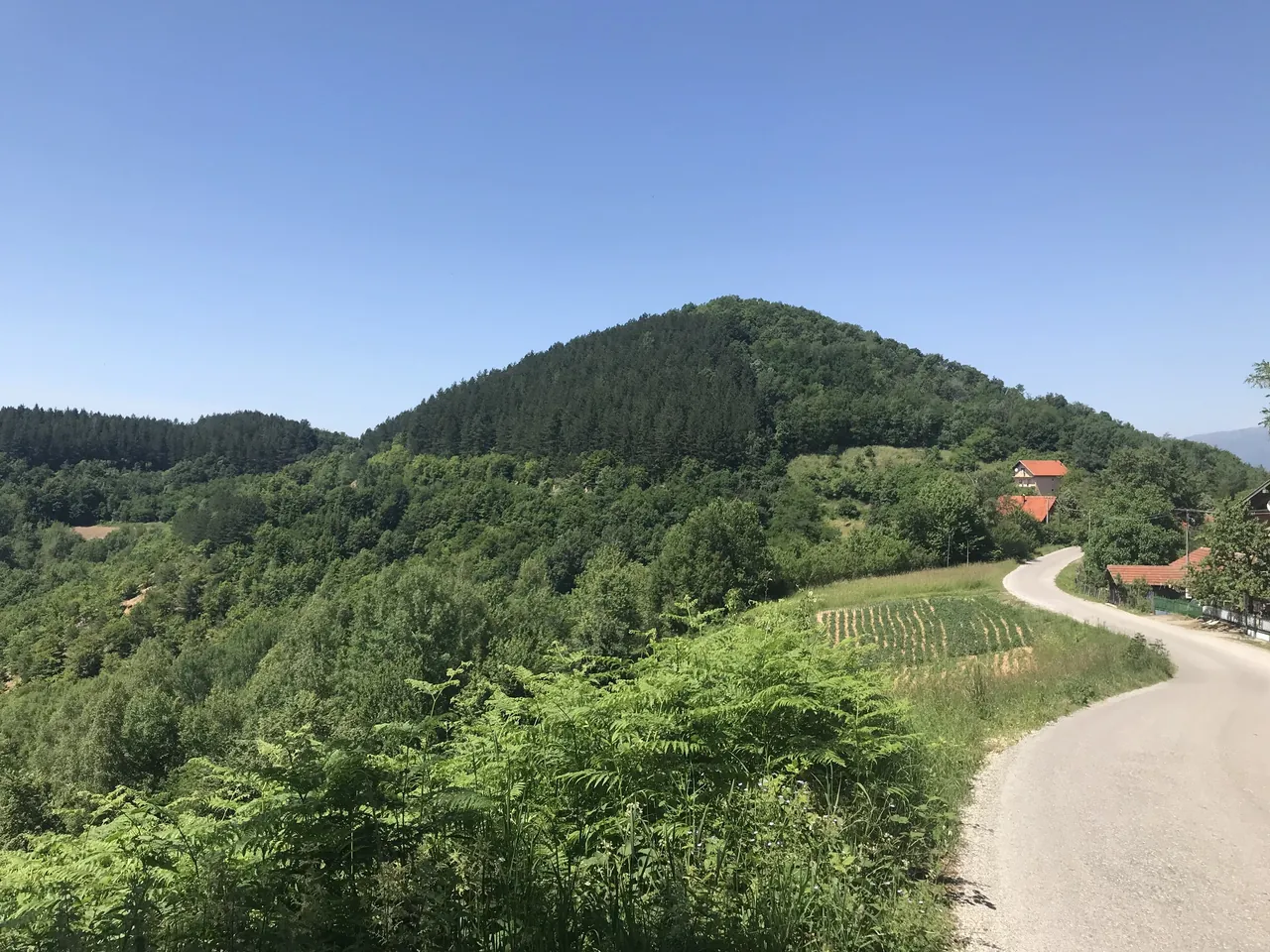
Veliki Morič
It is thought that a Roman fort stood on it. On the last weekend of March comes the March on Morič hike; in 2024 more than 400 hikers walked 12 kilometres to the mountain lodge in Donja Lopušnja.
An independent guide to the town
An independent guide to the town on the Vlasina: what is on this week, where to go, what to eat and who lived here.
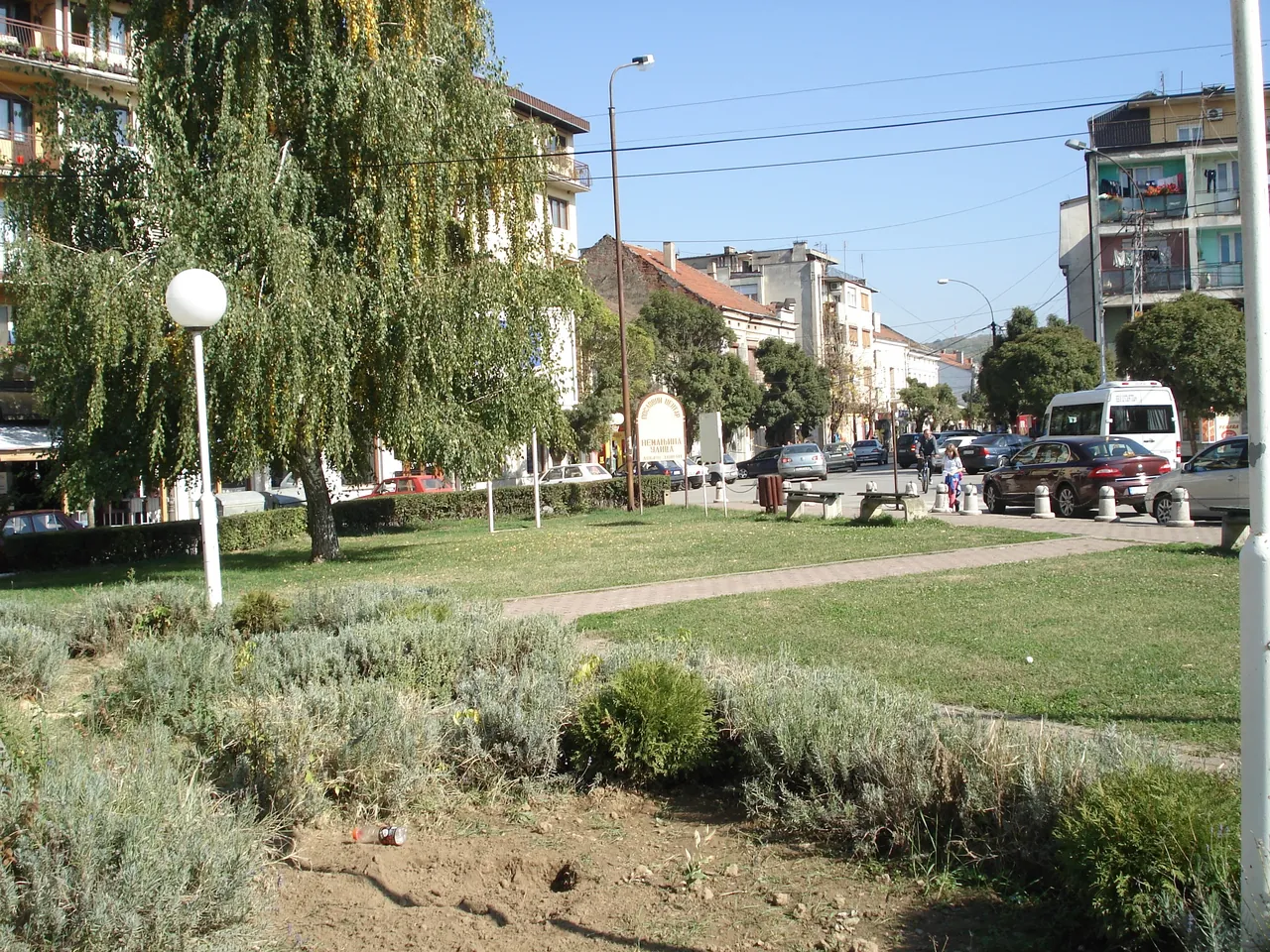
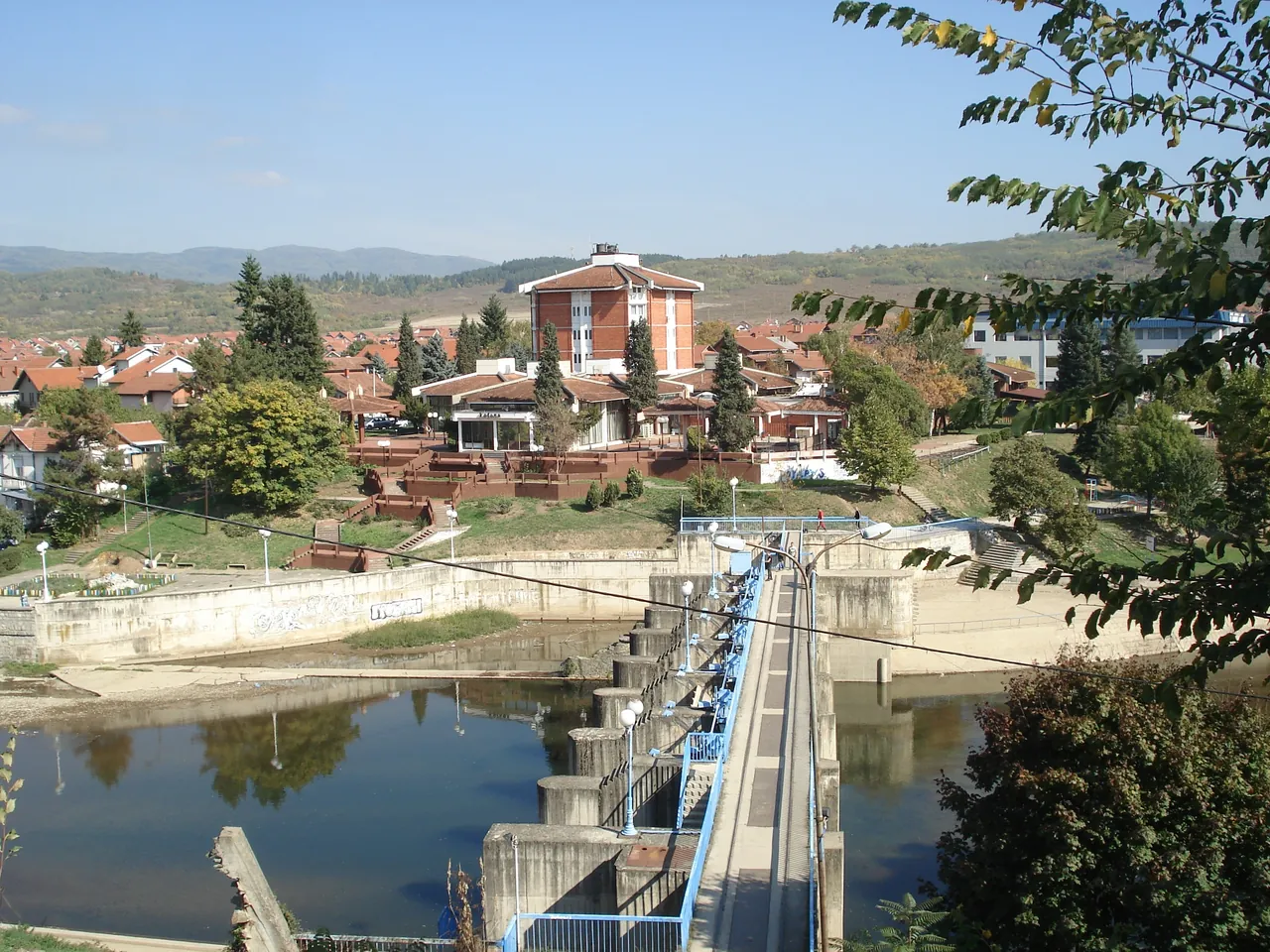
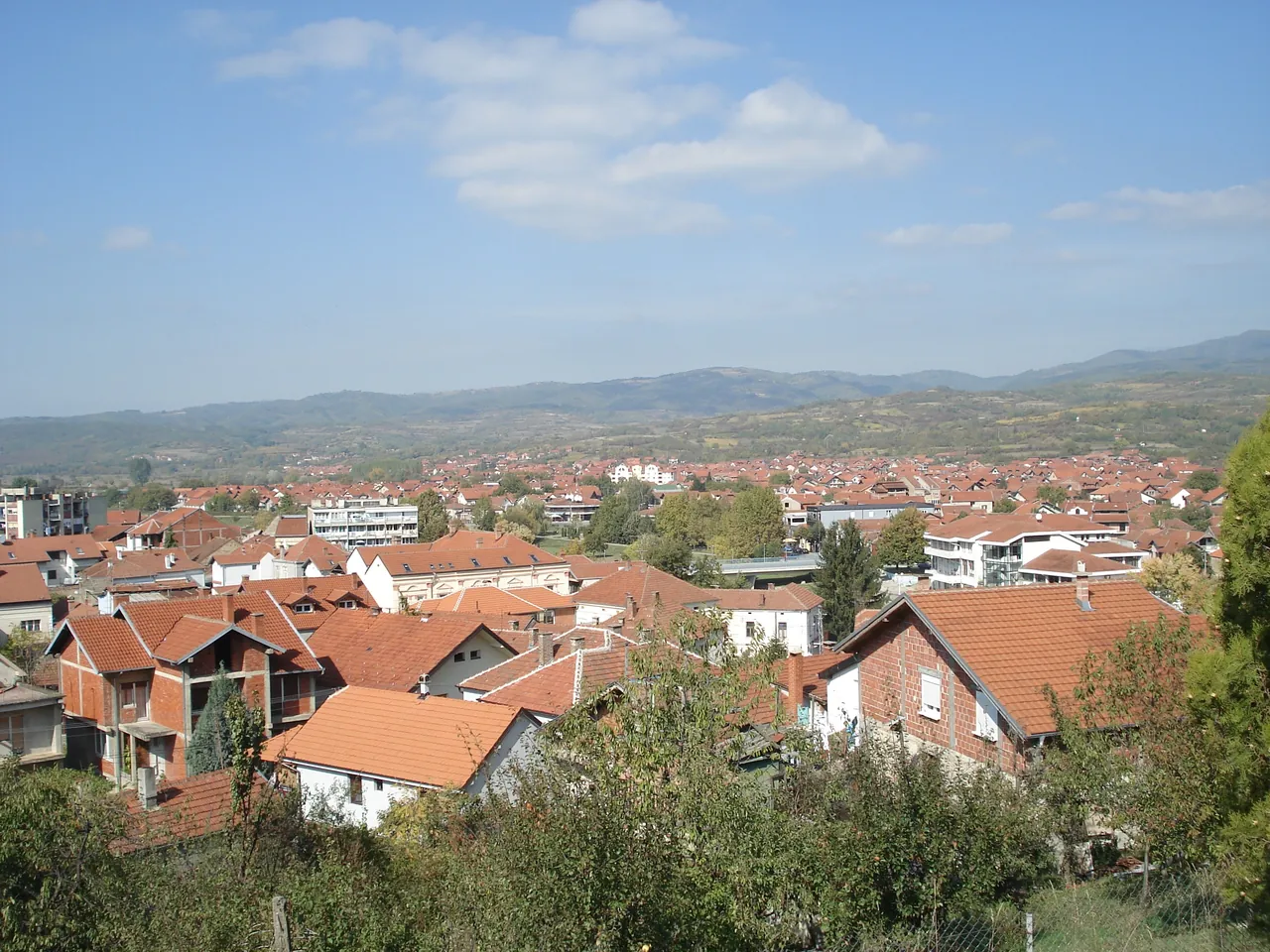
Vlasotince from Staro groblje (the Old Cemetery)
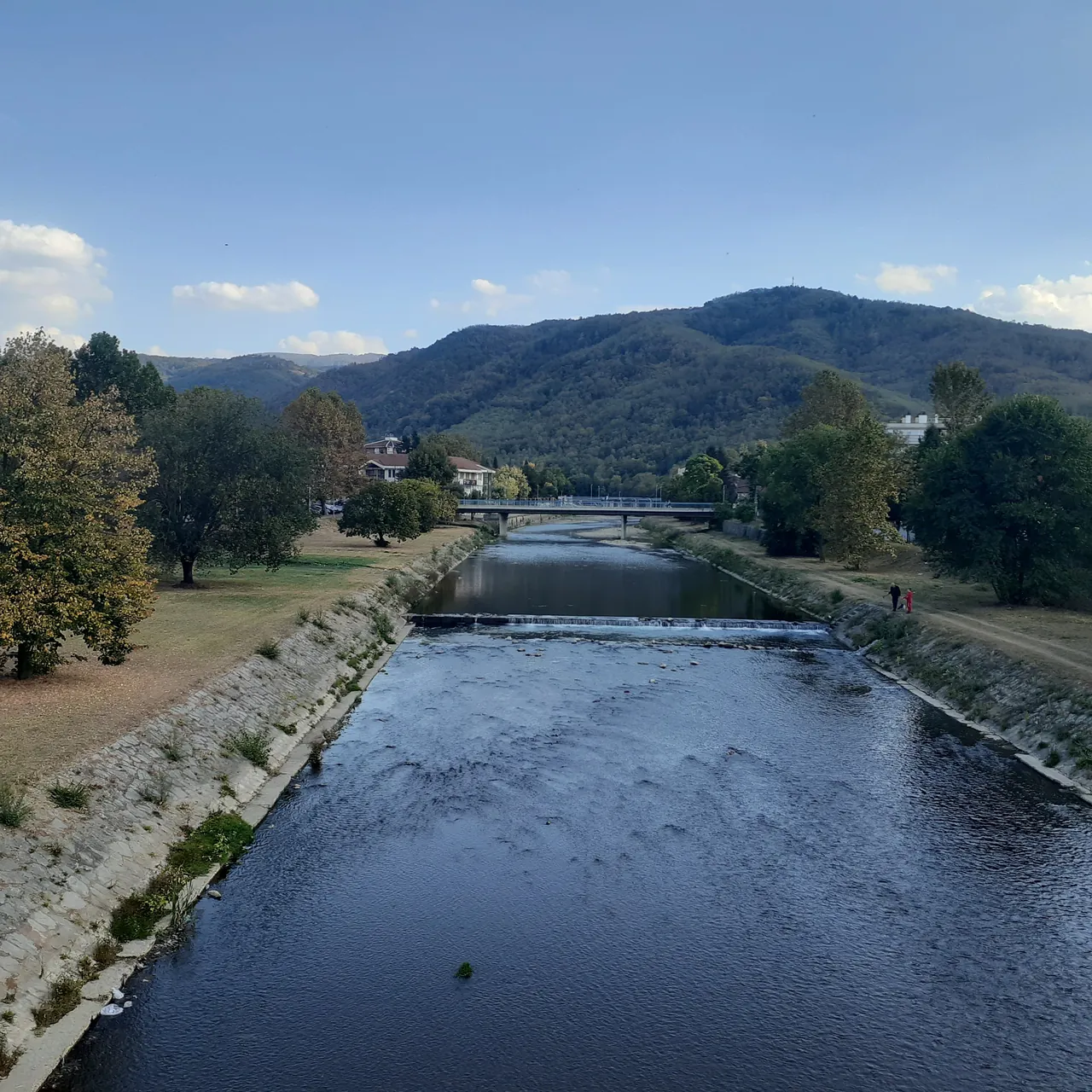
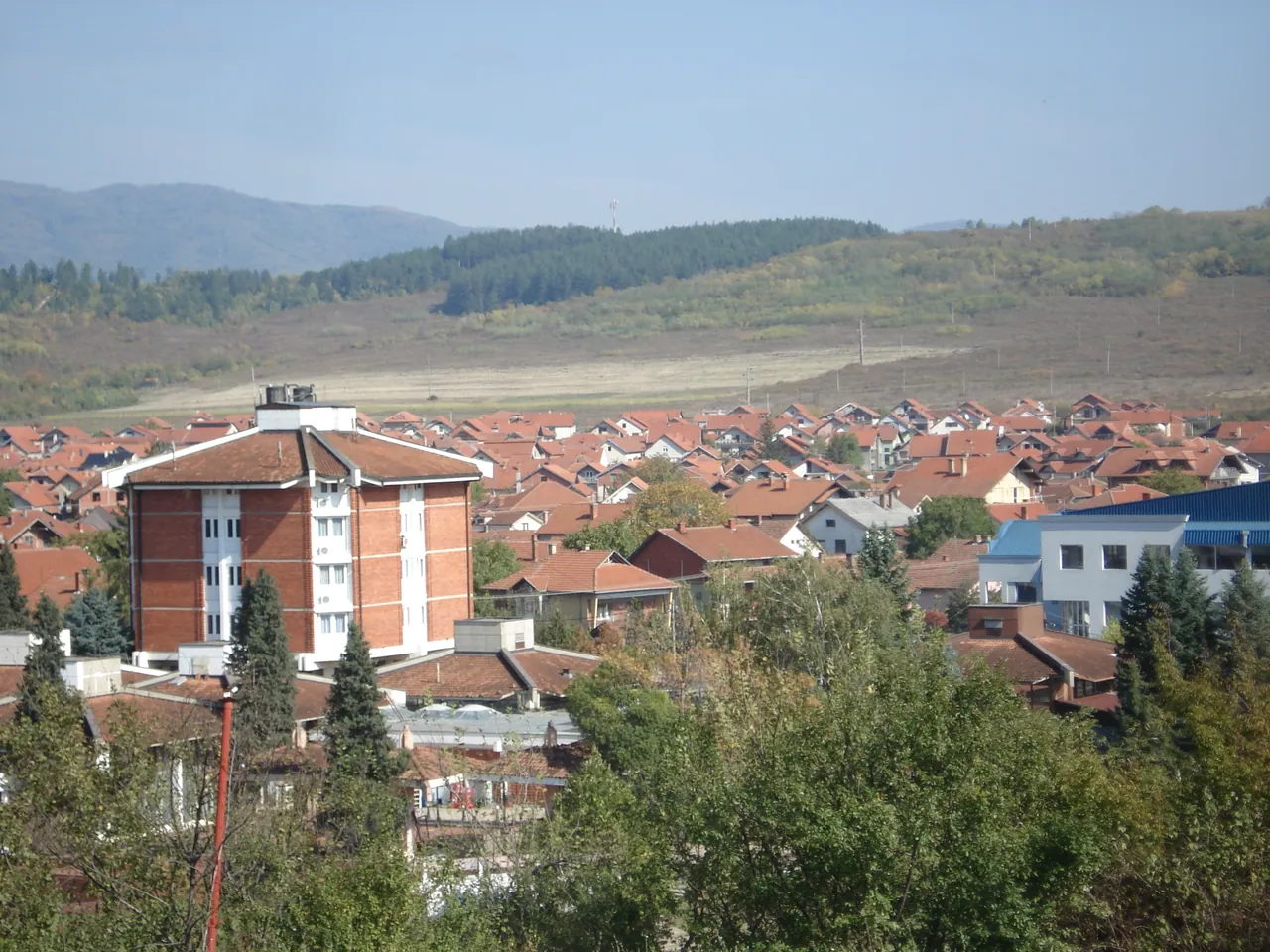
Vlasotince is a town on the Vlasina at the point where the river leaves the mountains 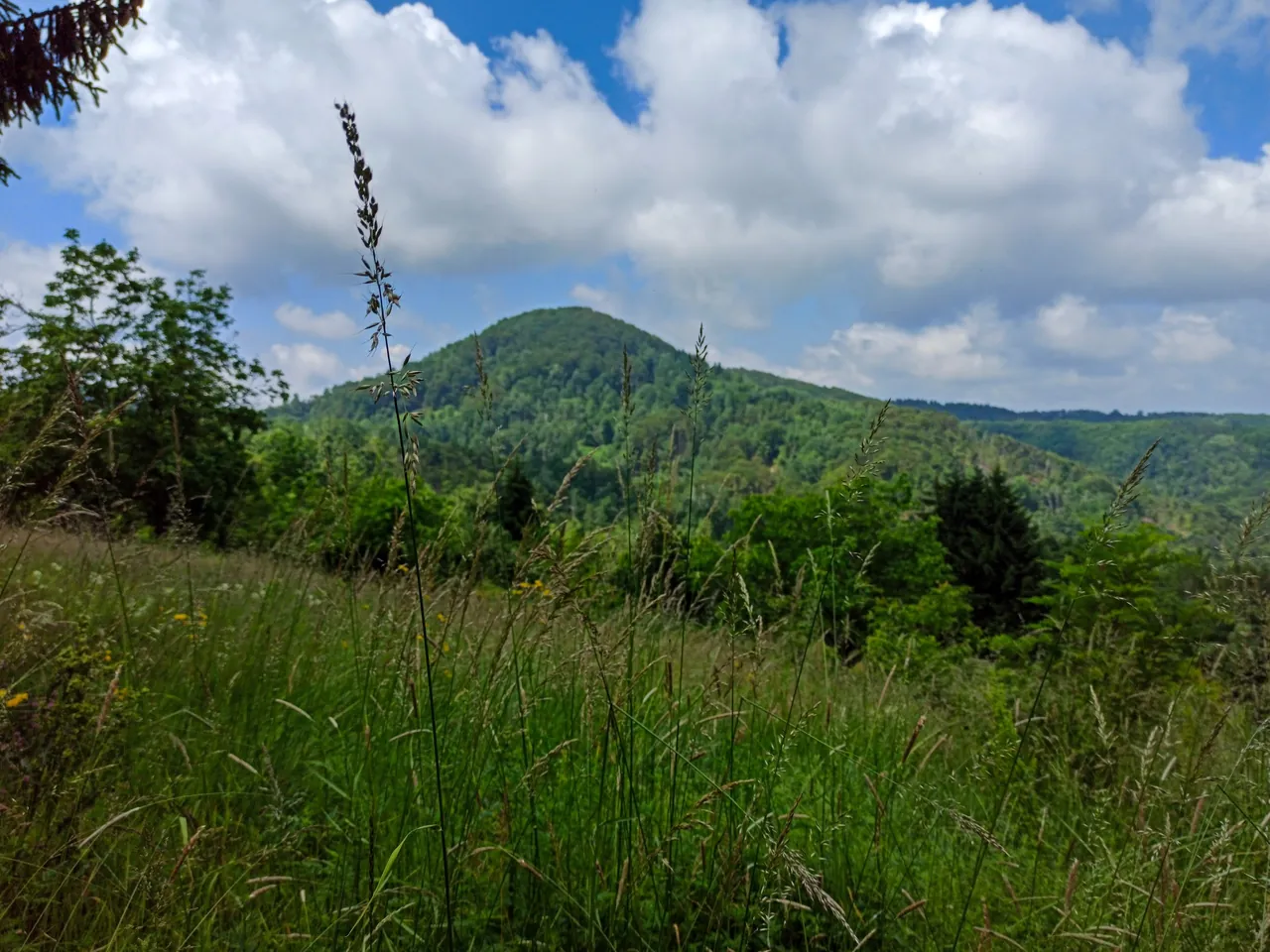 and enters the Leskovac plain
 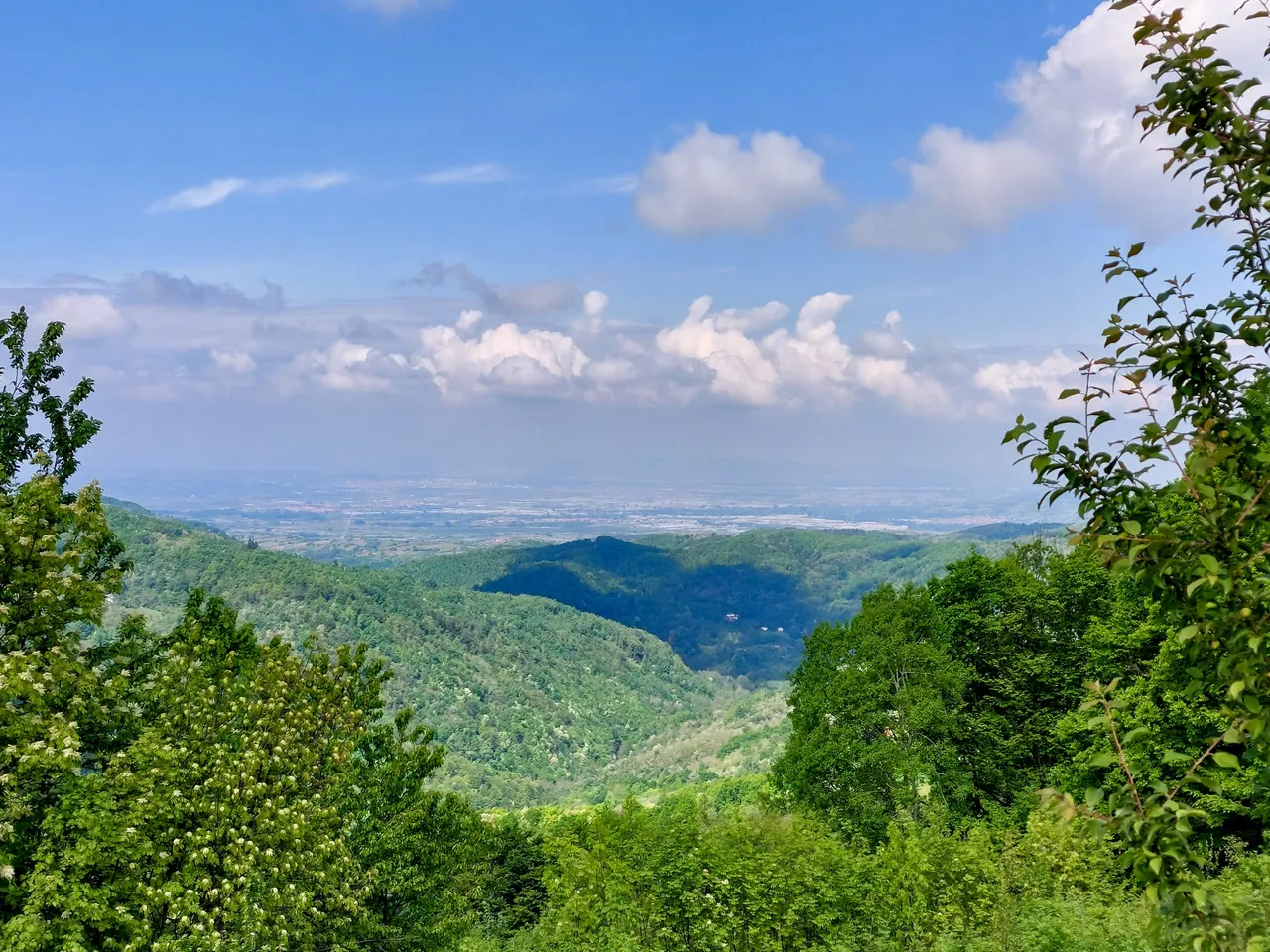 , 17 kilometres east of Leskovac. According to the 2022 census, the town has 14,924 inhabitants, the whole municipality 25,695, in 48 settlements
 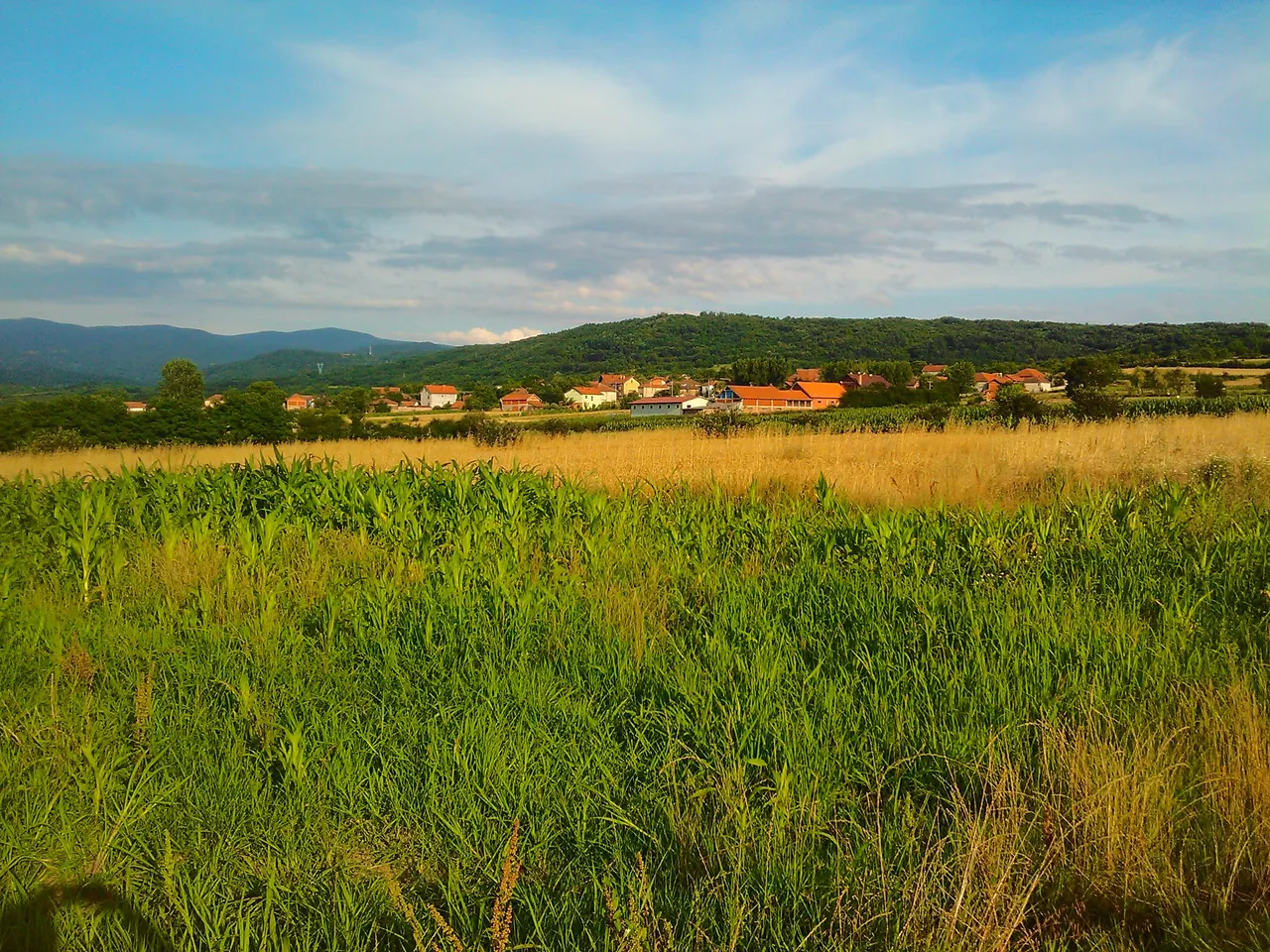 .
.
The locals are also called Rosuljci, after the sundew (rosulja). The town lies at 234 metres, and the lowest point of the municipality is at 230, where the Vlasina flows into the Južna Morava (South Morava).
This is an independent guide: what is on this week, the river, places, wine, people and the numbers locals need. Every fact has a source.
We take announcements from the organisers and local media, with the source. When a date has not been published yet, we say so.
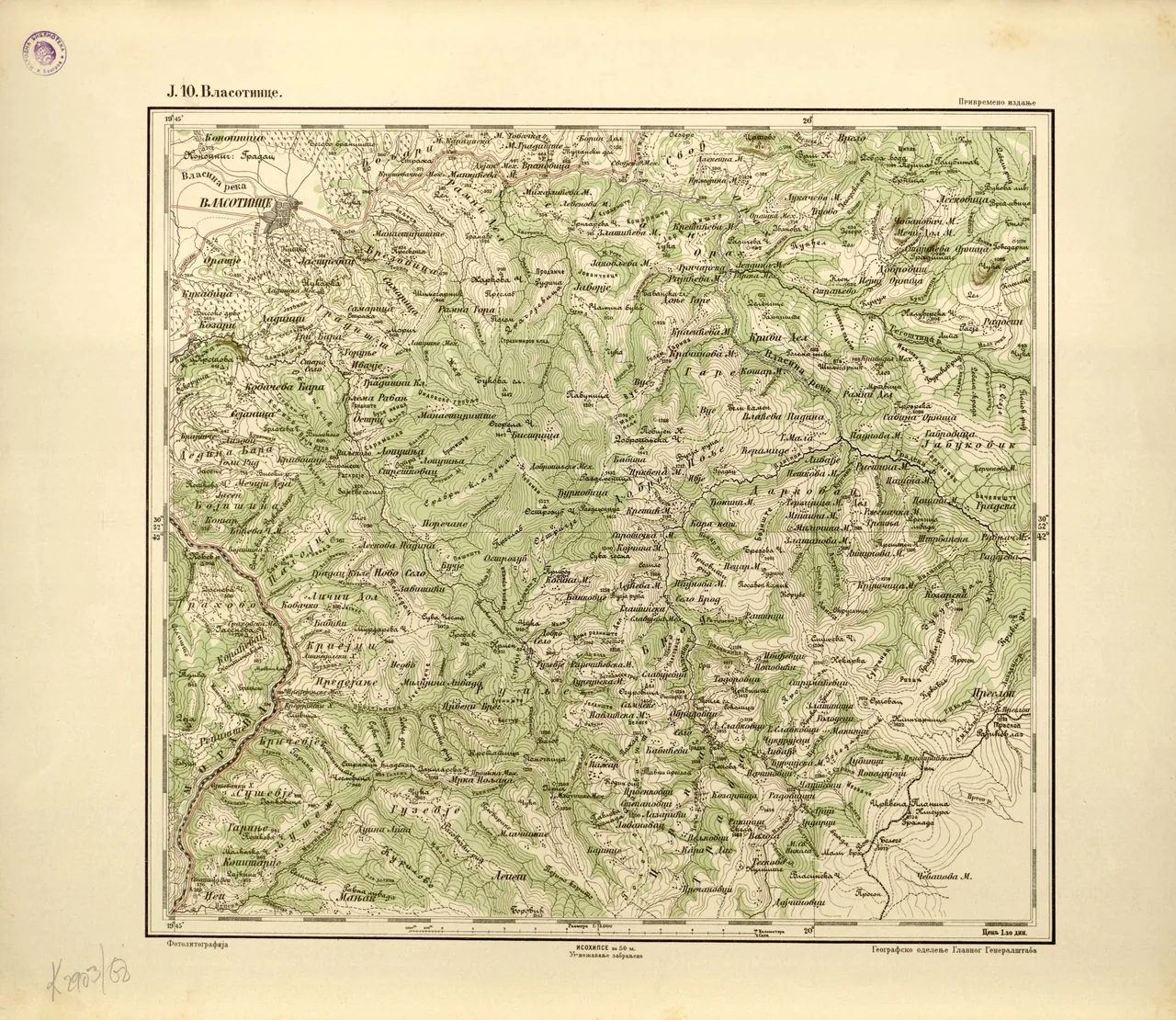
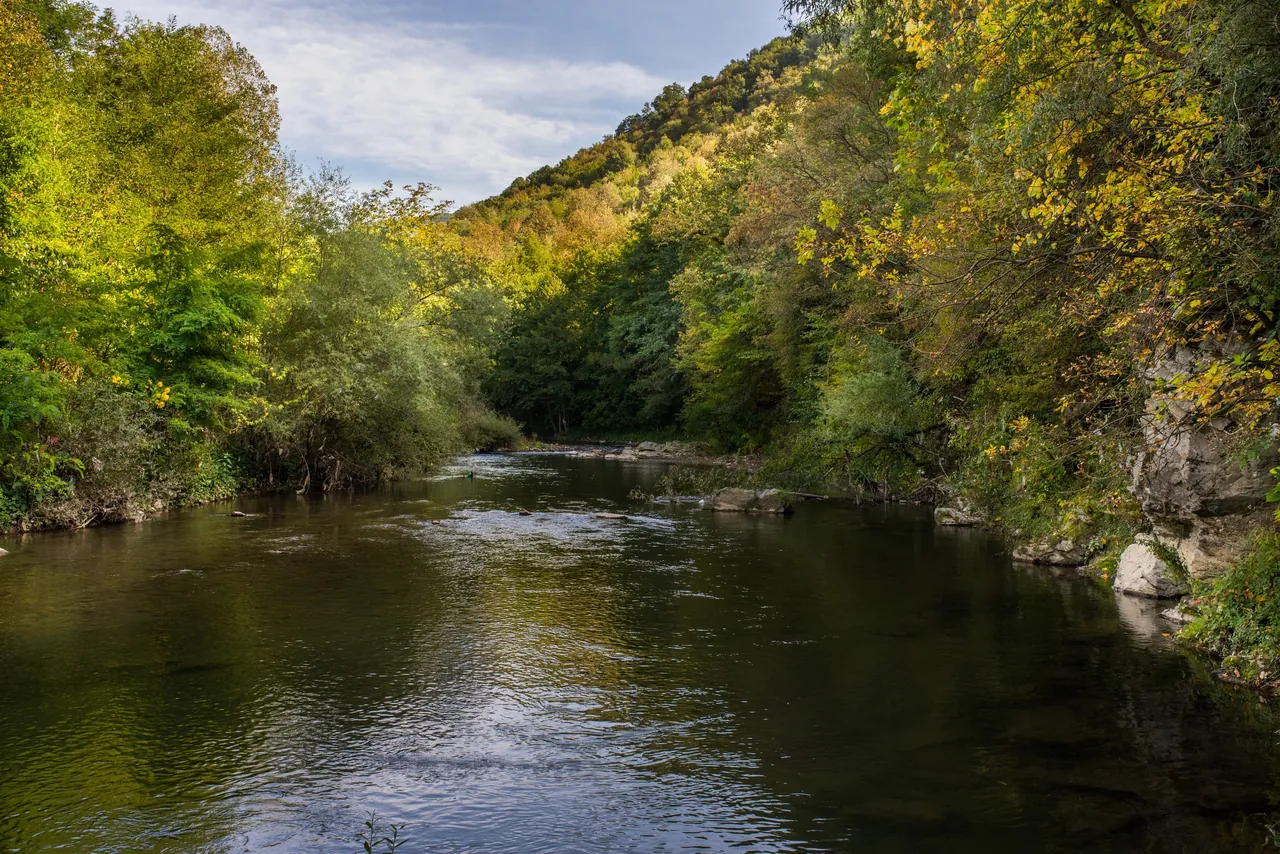
The Vlasina is about 70 kilometres long. It rises on the Vlasina Plateau, flows through Surdulica, Crna Trava, Vlasotince and Leskovac and empties into the Južna Morava. The lower edge of the pictures below follows its real fall, from source to mouth.
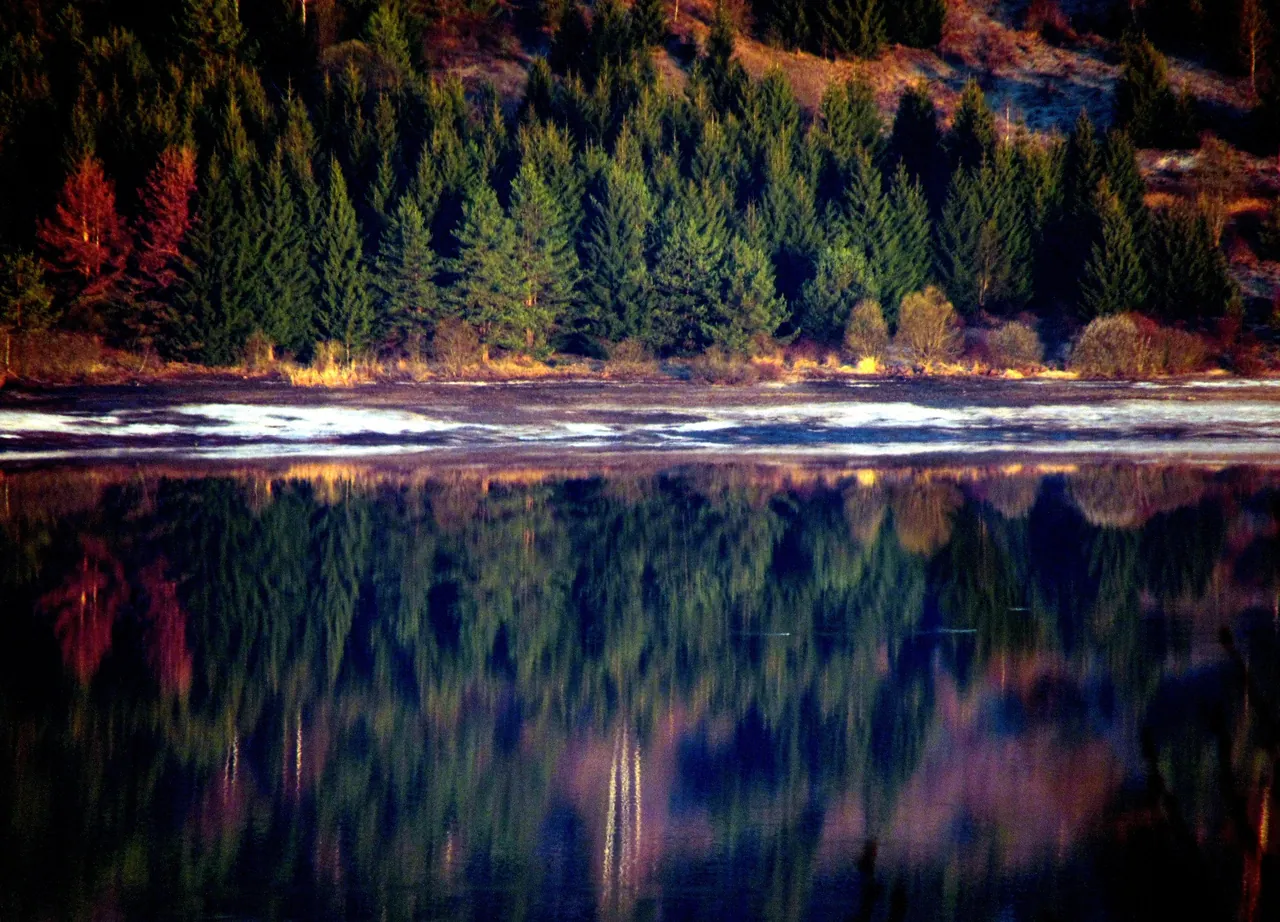
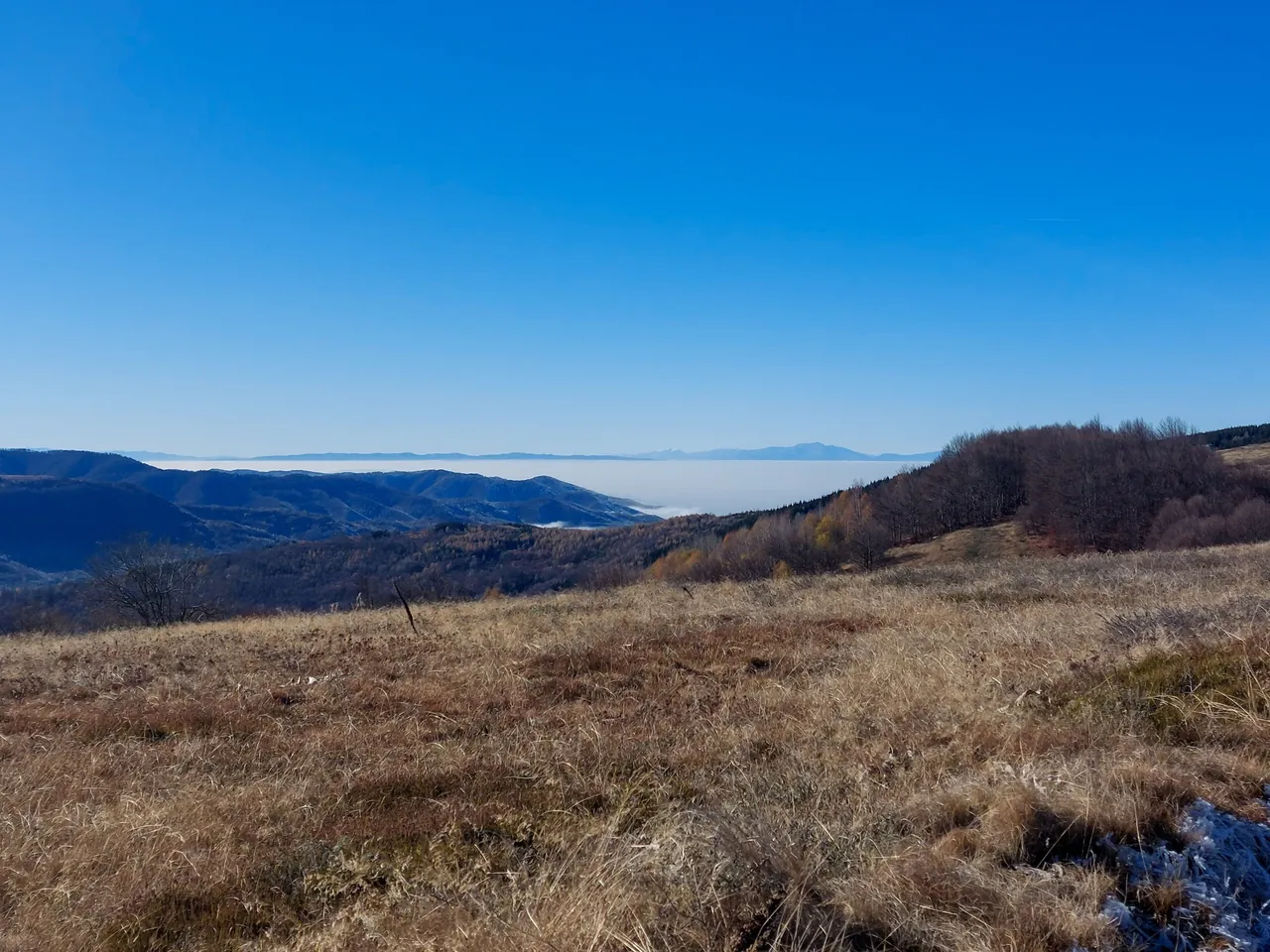
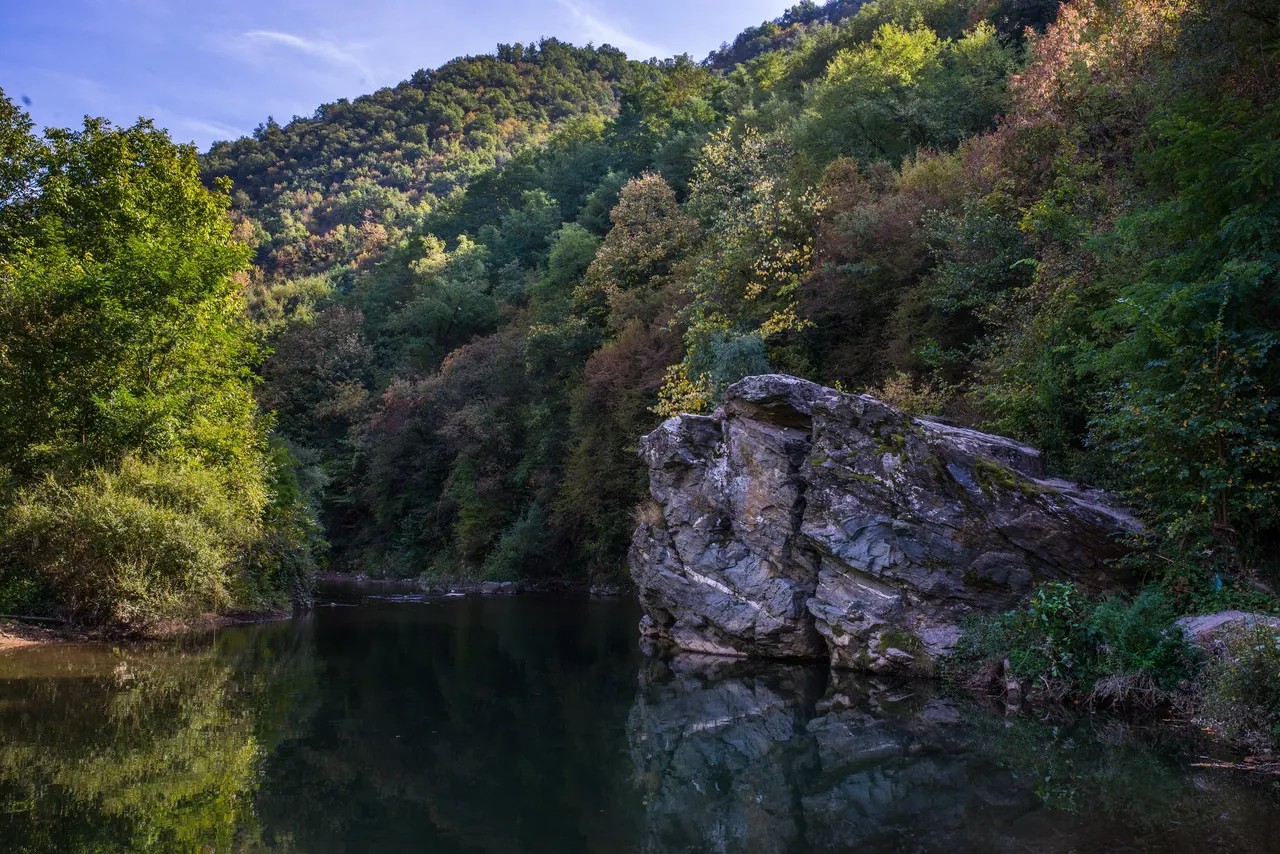
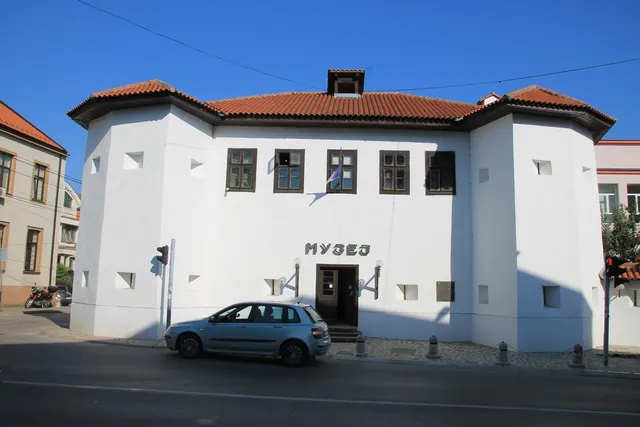
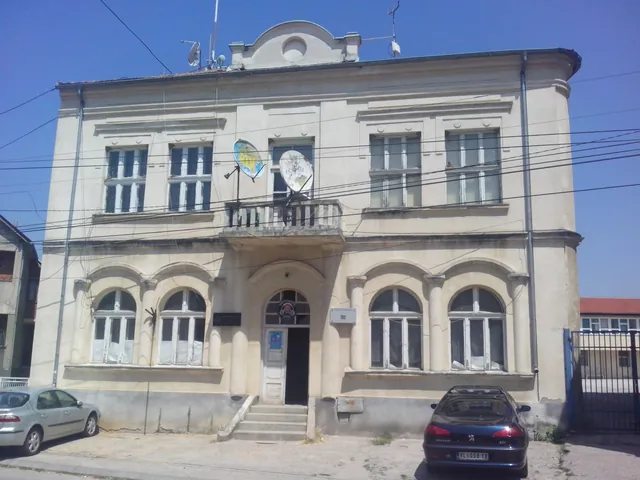
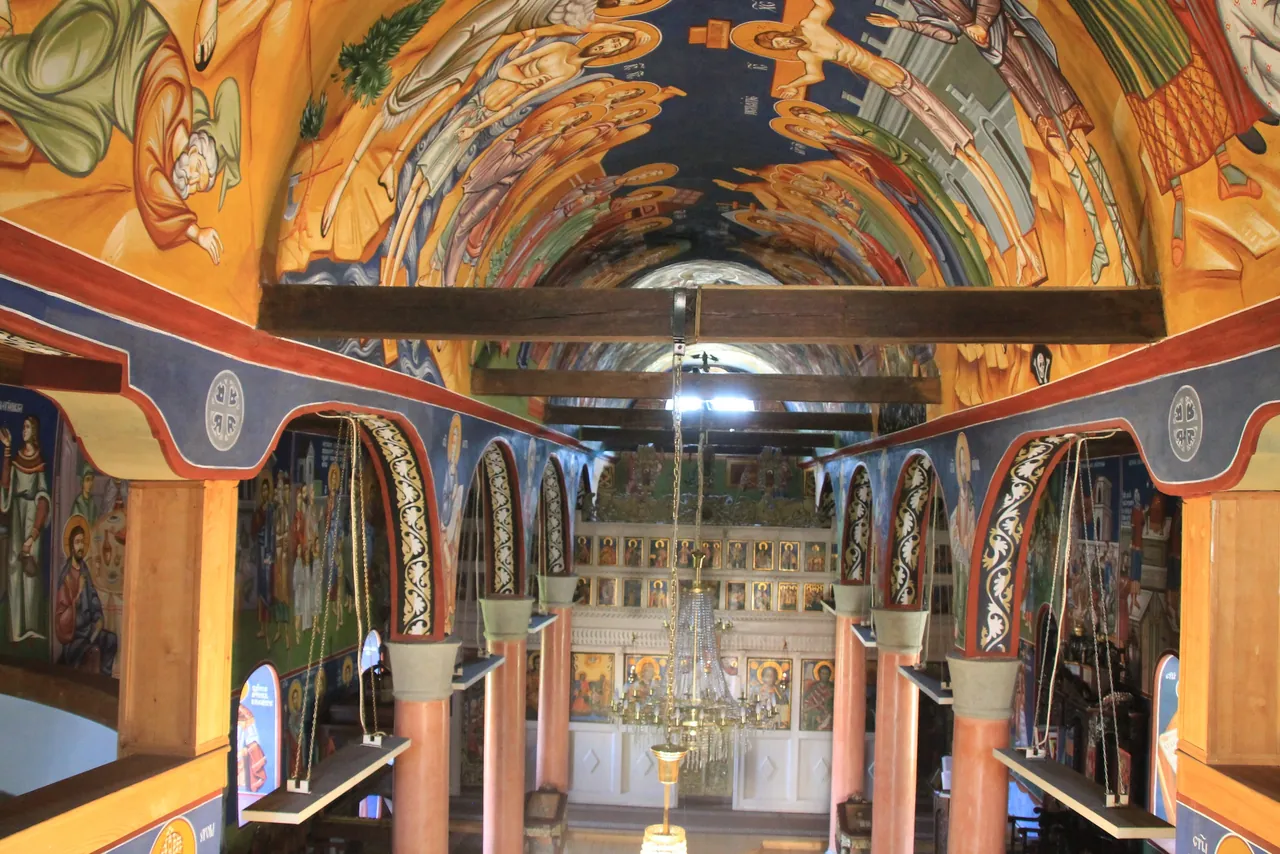
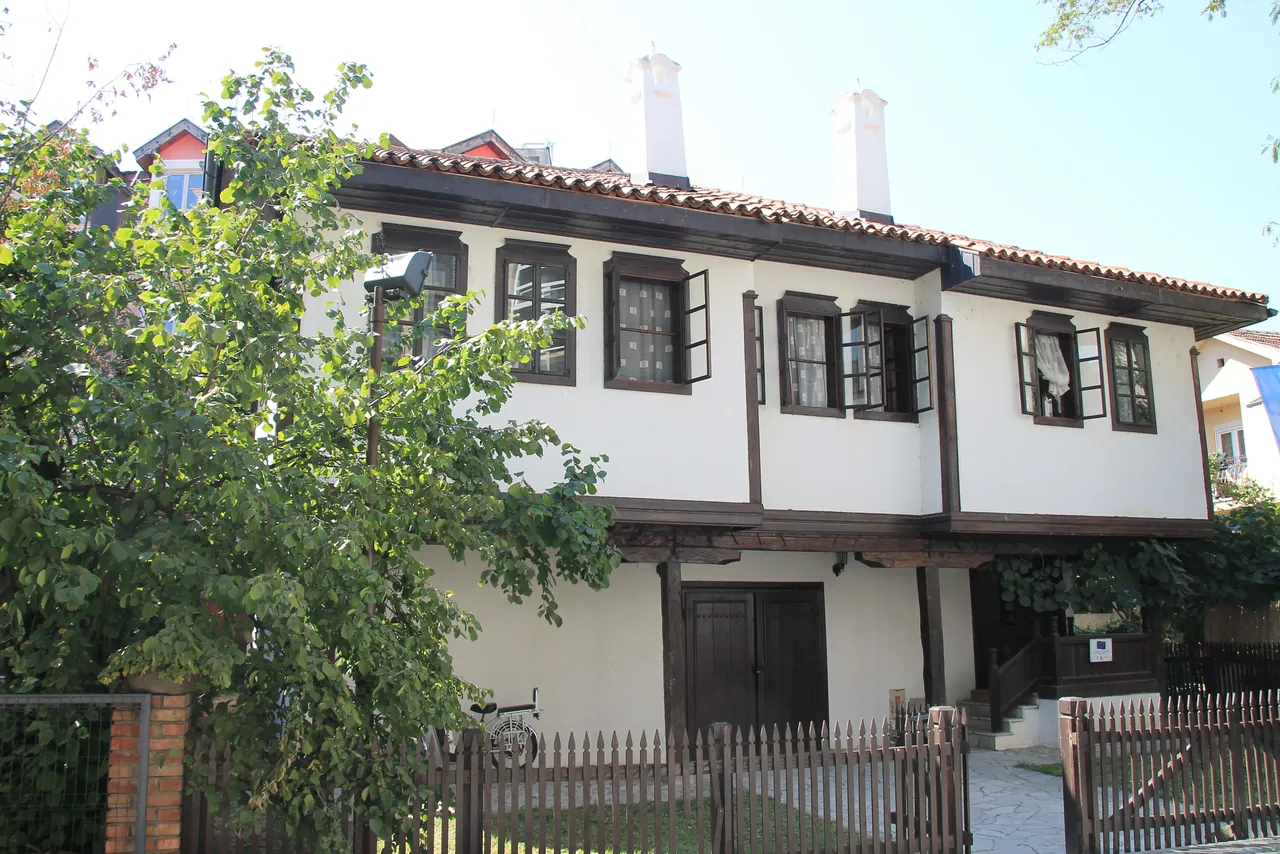
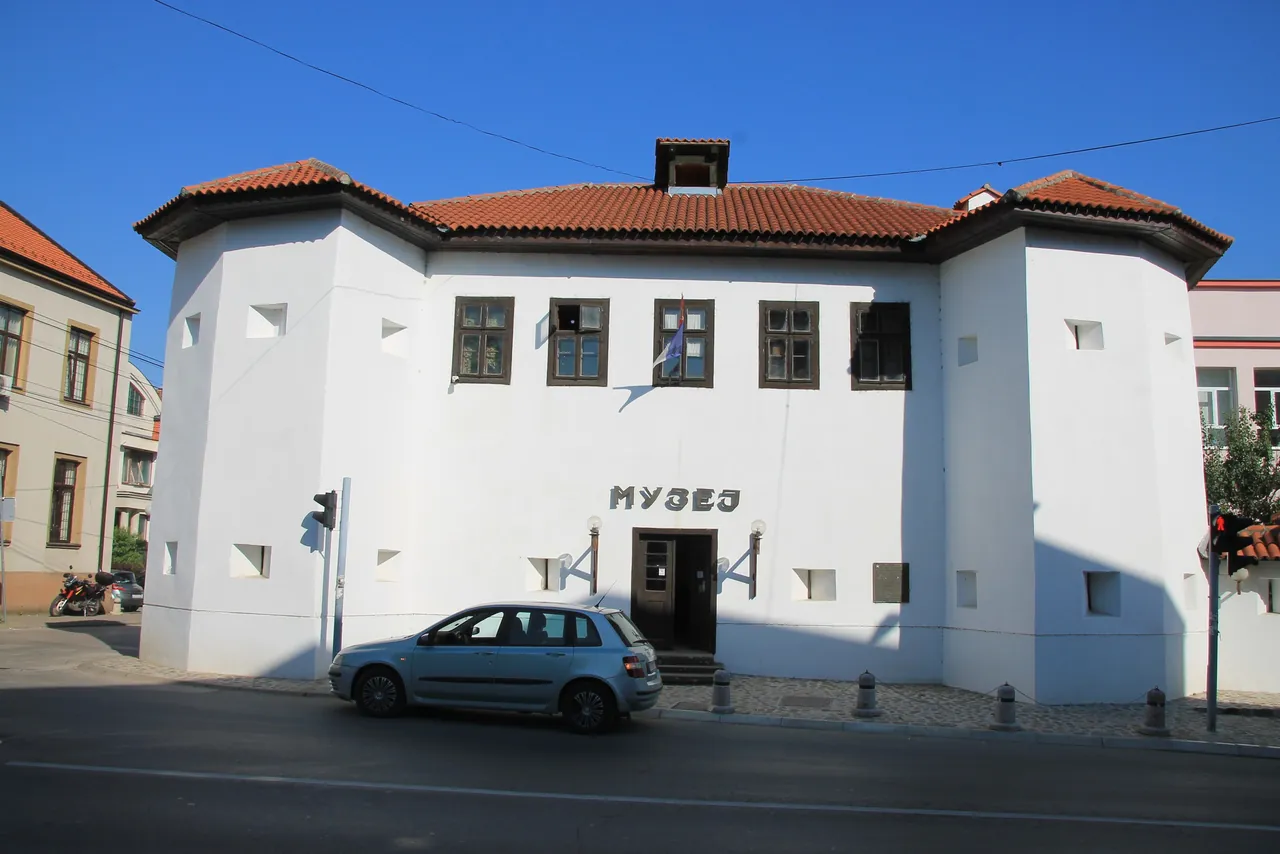
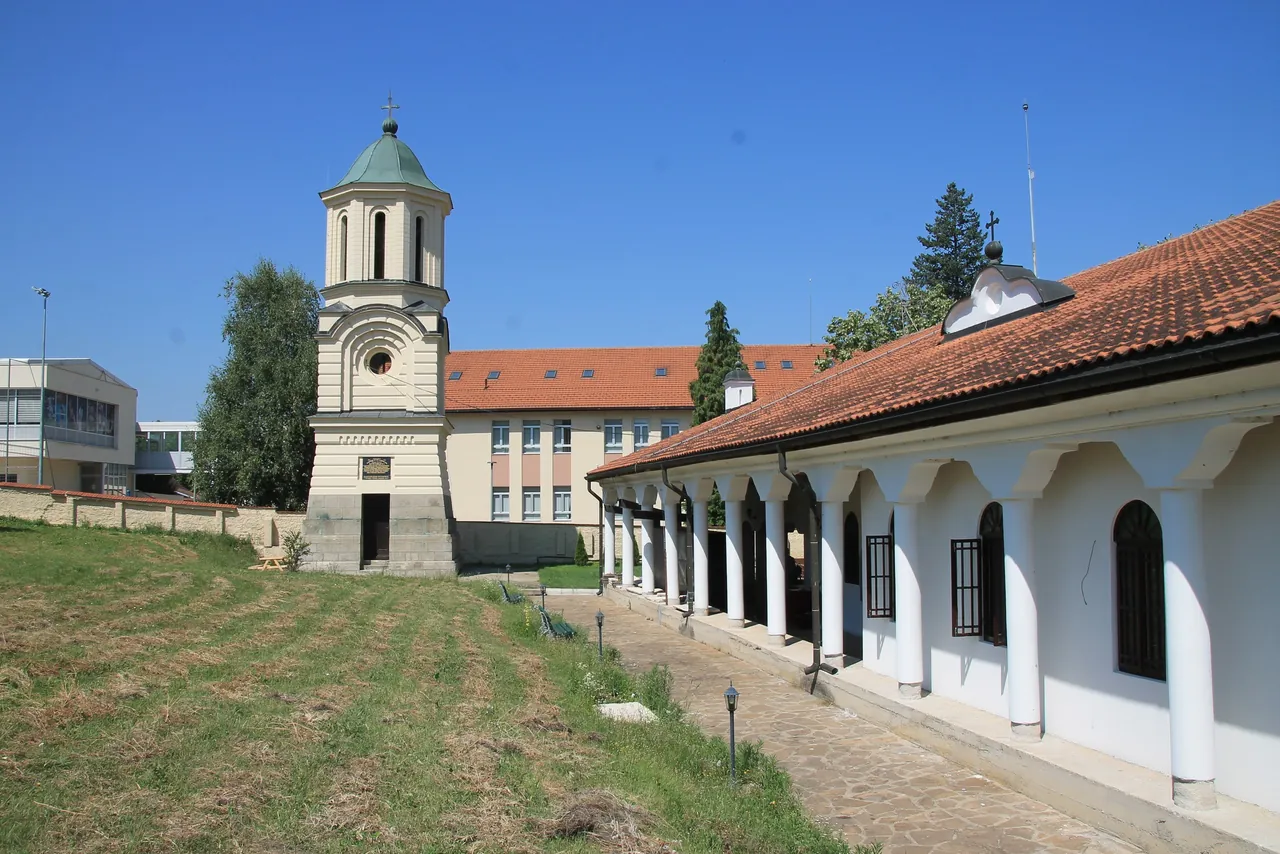
Seven places in and around the town, from an 18th-century Turkish tower to the Narodni dom, built around 1930. Hover over a name, then open it for the address, opening hours and the story.
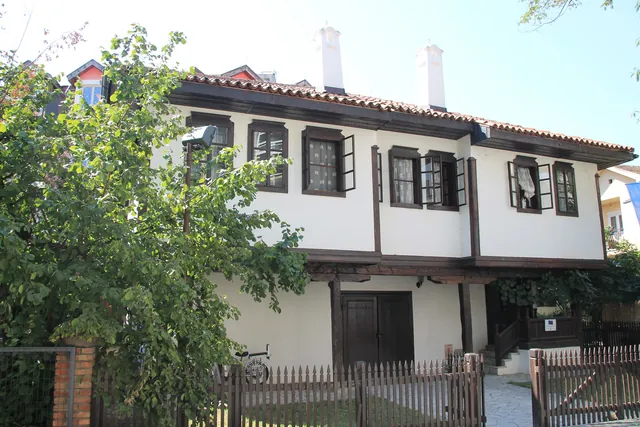
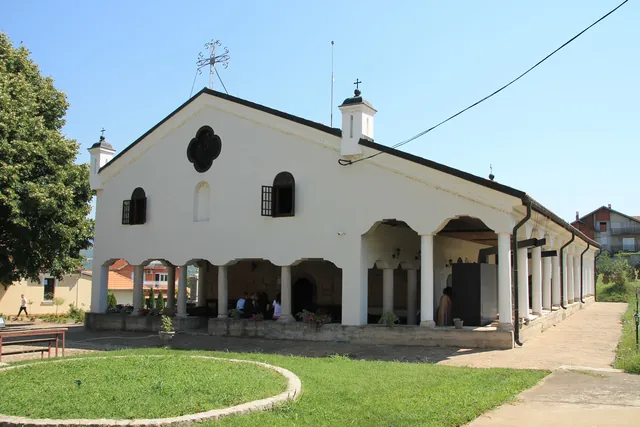
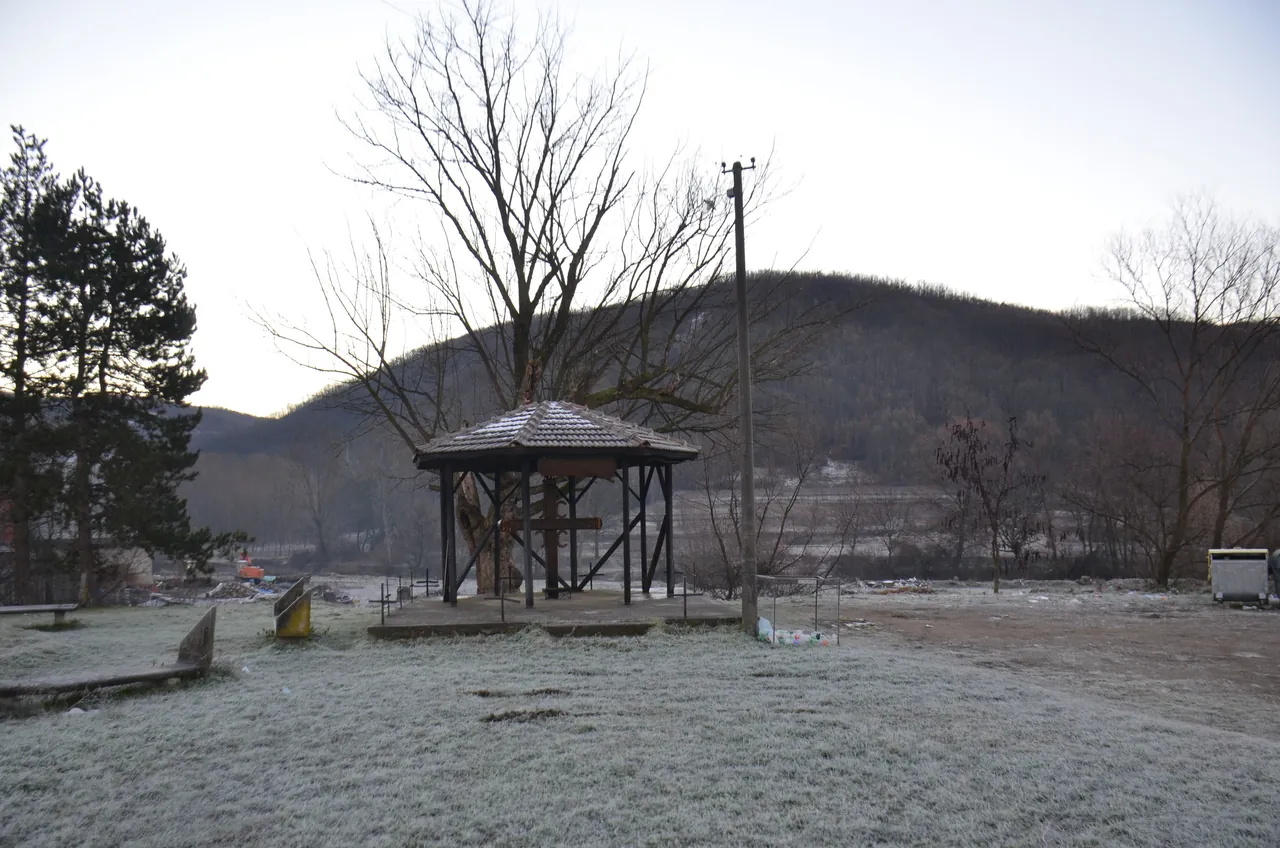
The town also has the Milan Valčić Palace on Trg 8. oktobar, today a branch of the library, Hristifor Crnilović's house at Dimitrija Stojanovića 3, the Cultural Centre with a cinema hall of 370 seats, and Memorial Park “Staro groblje” (Old Cemetery), the Sanctuary by Bogdan Bogdanović from 1975. All places
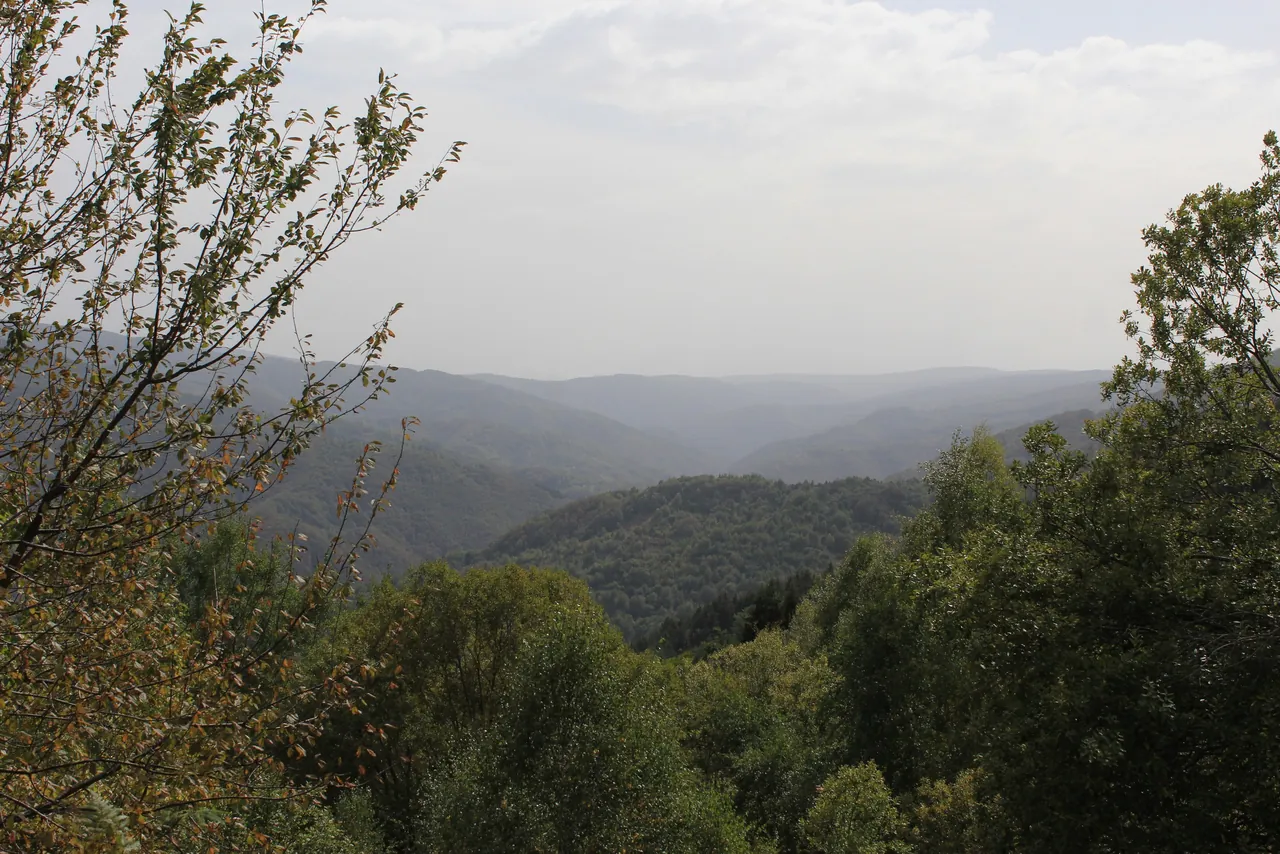
Vlasotince lies on the European long-distance path E7. From here you can walk up Morič and Ostrozub, through the vineyards and along the Vlasina.
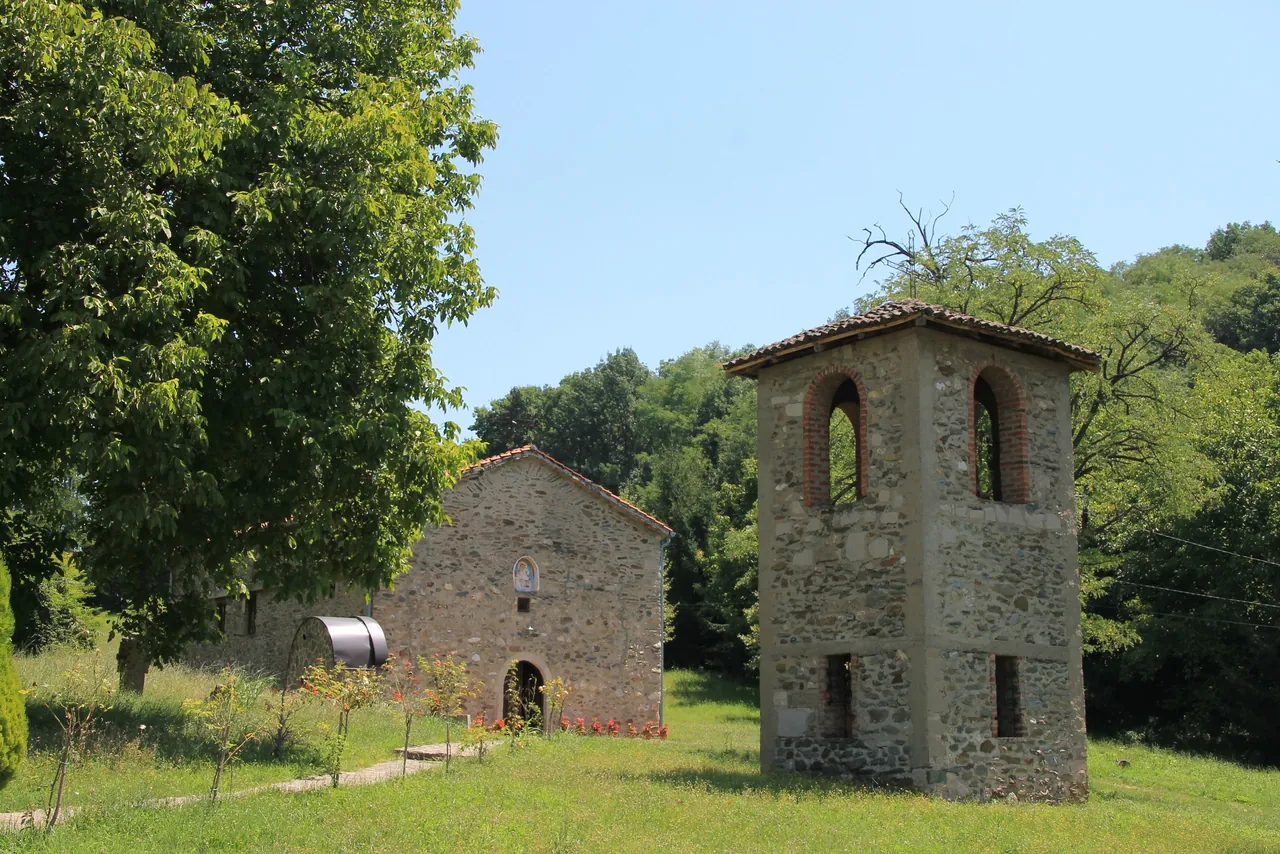
It is thought that a Roman fort stood on it. On the last weekend of March comes the March on Morič hike; in 2024 more than 400 hikers walked 12 kilometres to the mountain lodge in Donja Lopušnja.
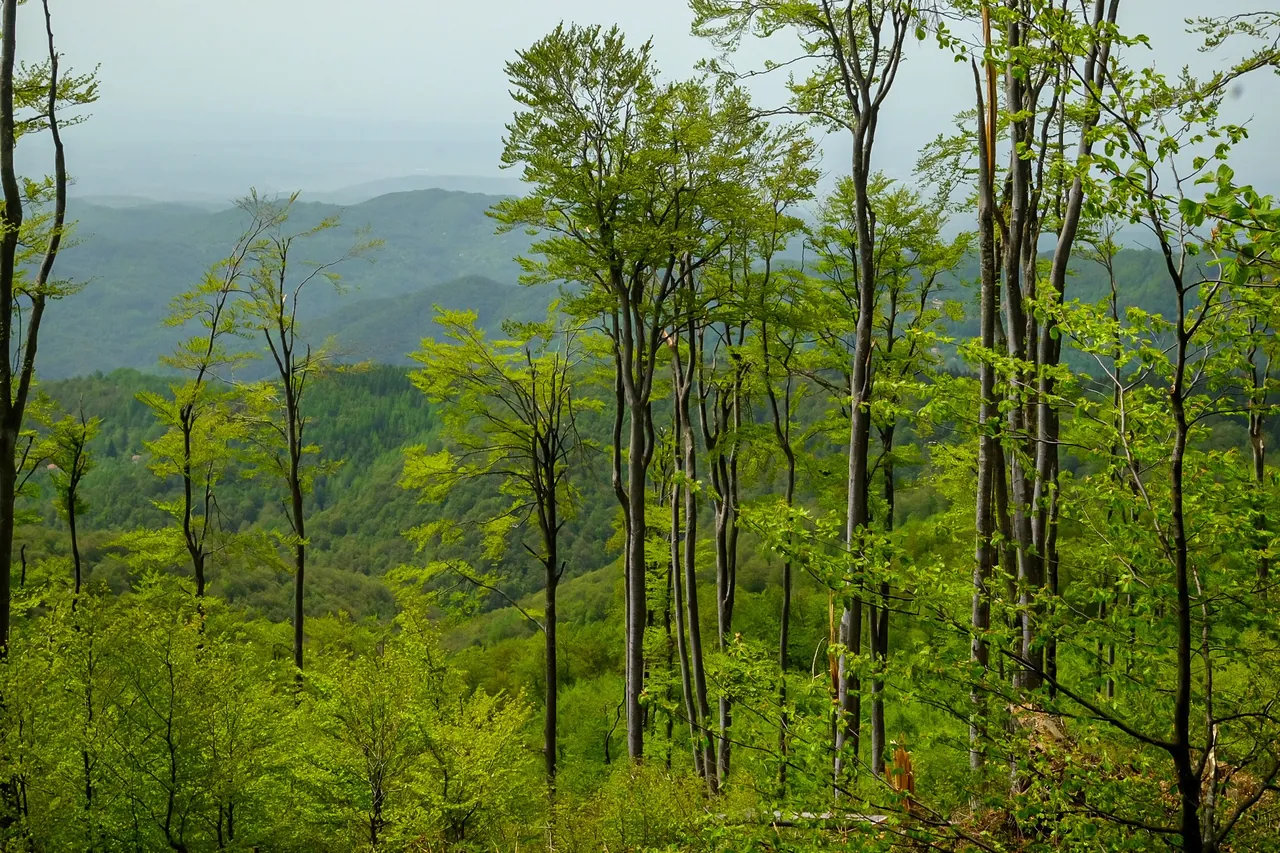
A strict nature reserve on Ostrozub, at 1,260 metres, named after the cherry laurel.
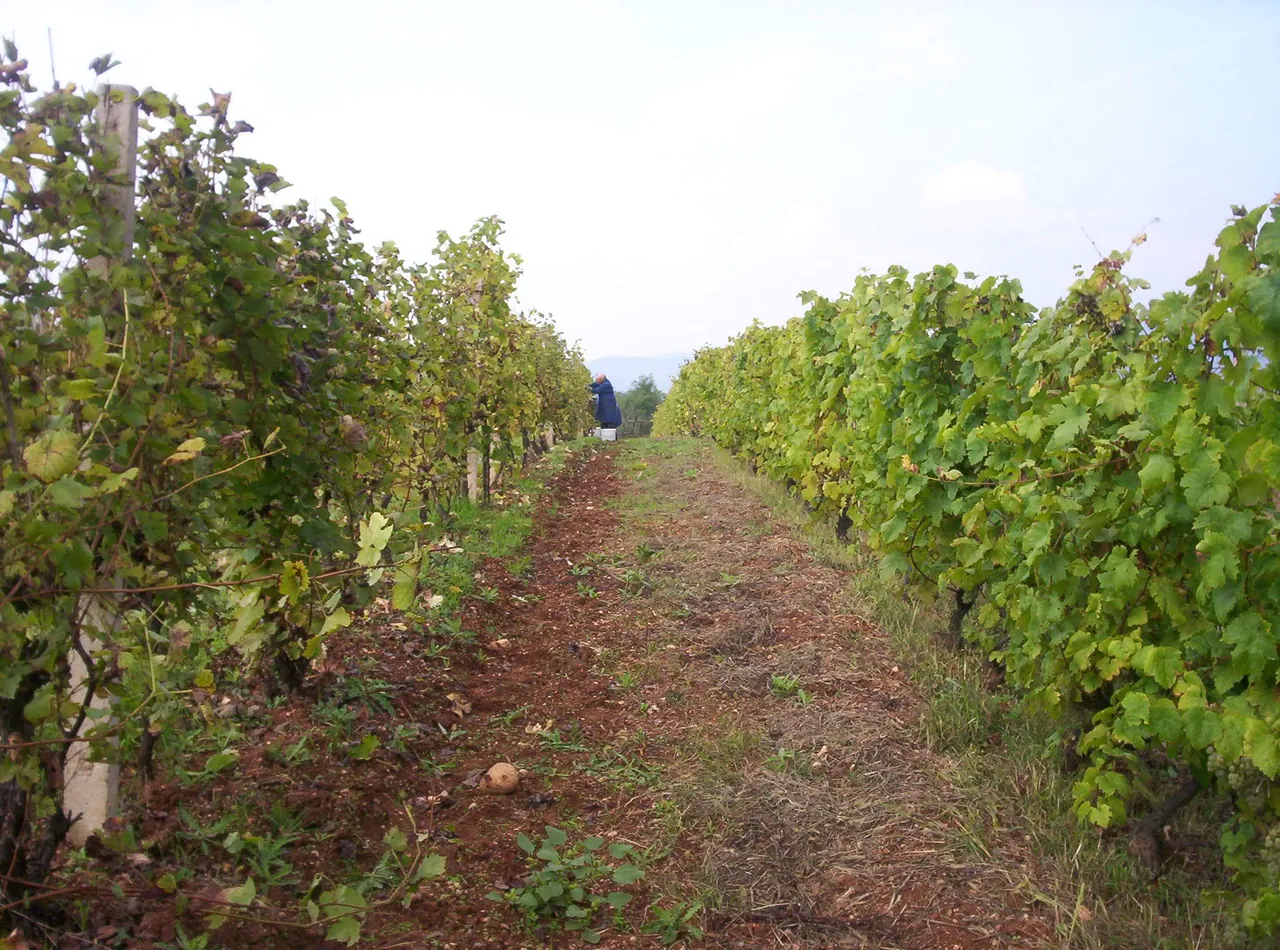
The circular Dadince-Kozare trail, about six kilometres long, runs through the wine district, past wine cellars where a tasting is possible. Along the way there is also an old watermill from the Turkish period.
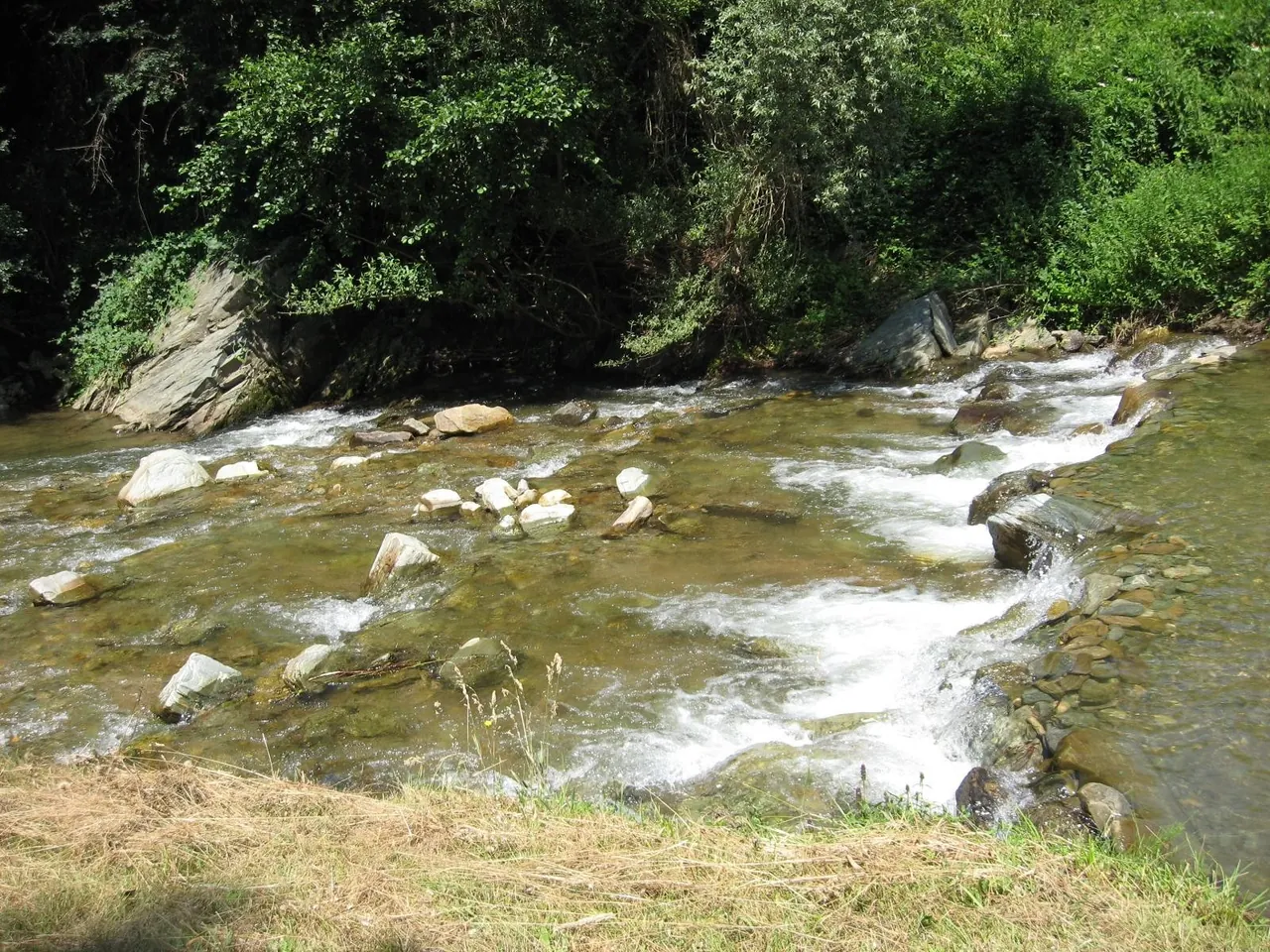
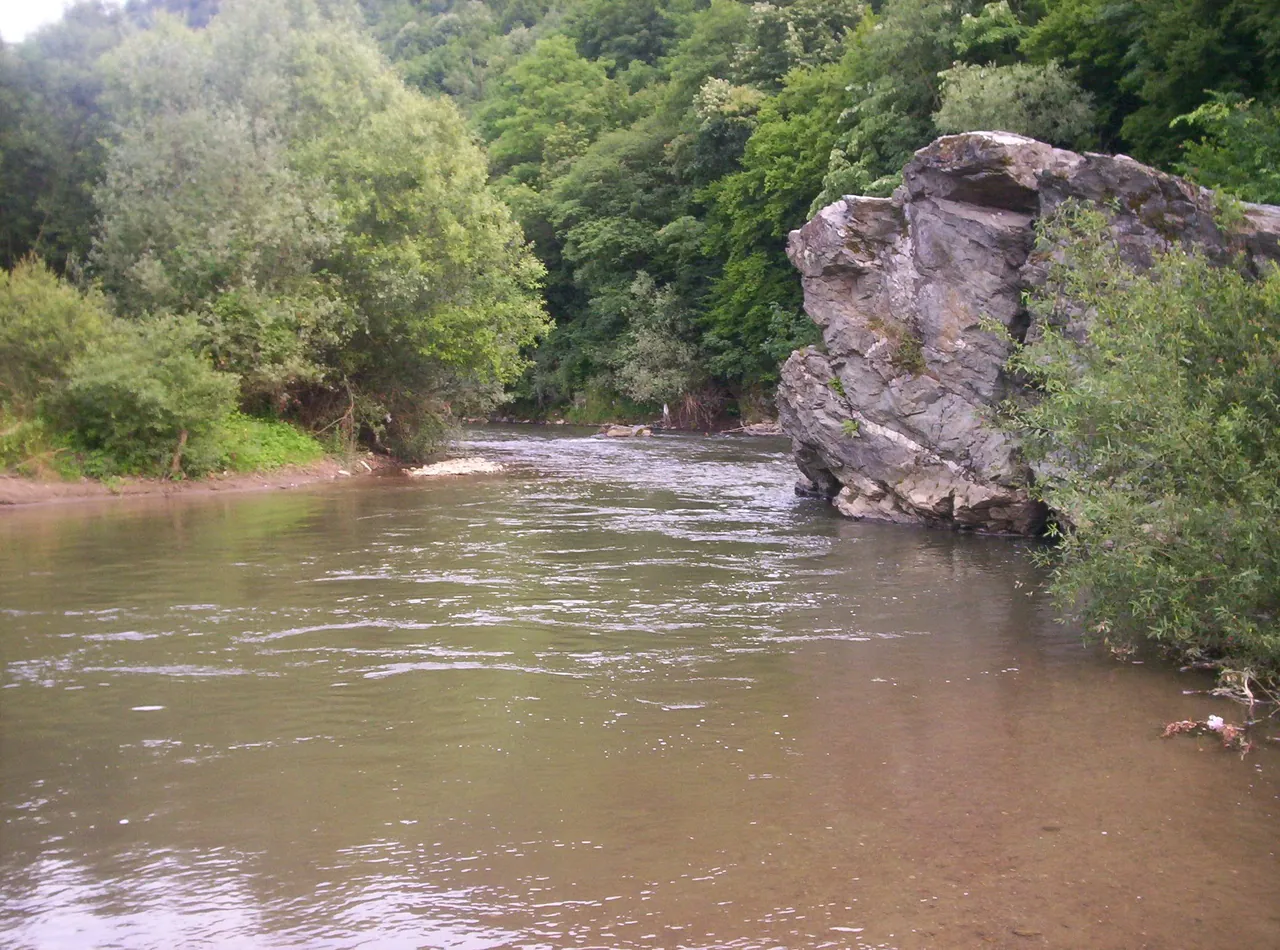
The Stanci stream by the town lake: a mini canyon, giant potholes and waterfalls of up to ten metres. The easier trail is for all ages, and a local guide is recommended for the harder one. The picture shows the Kozaračka reka near Dadince.
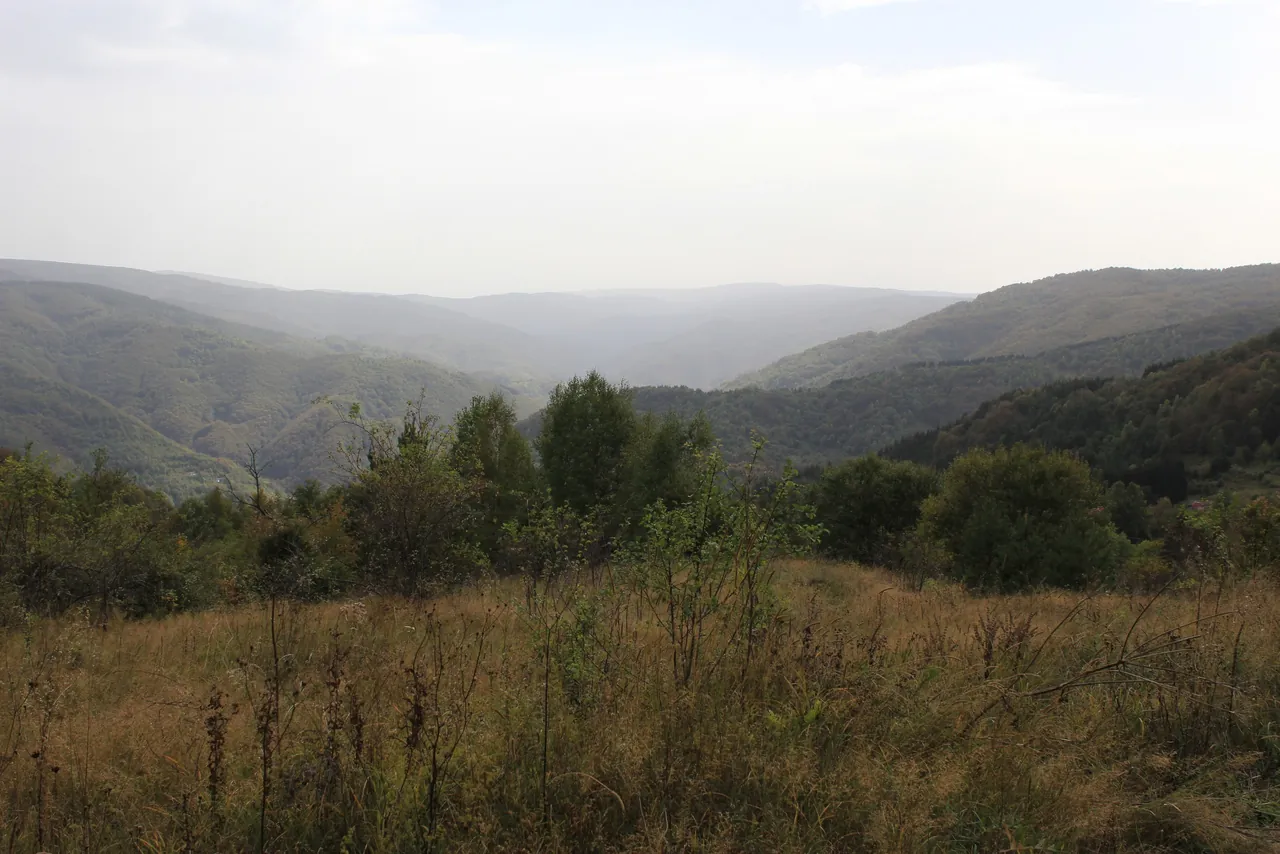
A mountain trail 90 kilometres long, with eight checkpoints. It is looked after by the mountaineering club PD “Čemernik”.
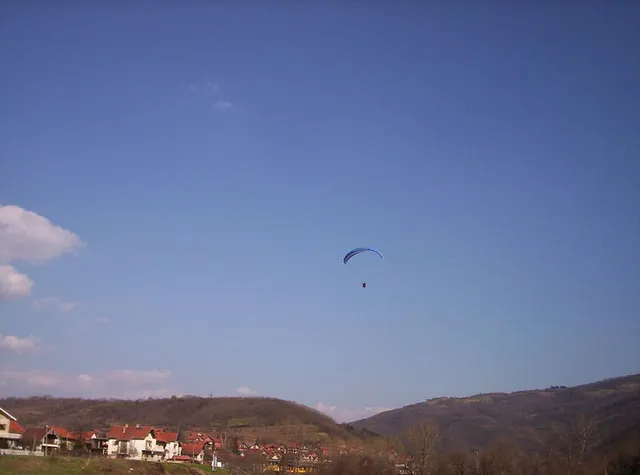
The take-off is at 600 metres. The Serbian championship in paragliding precision landing was held here in 2007.
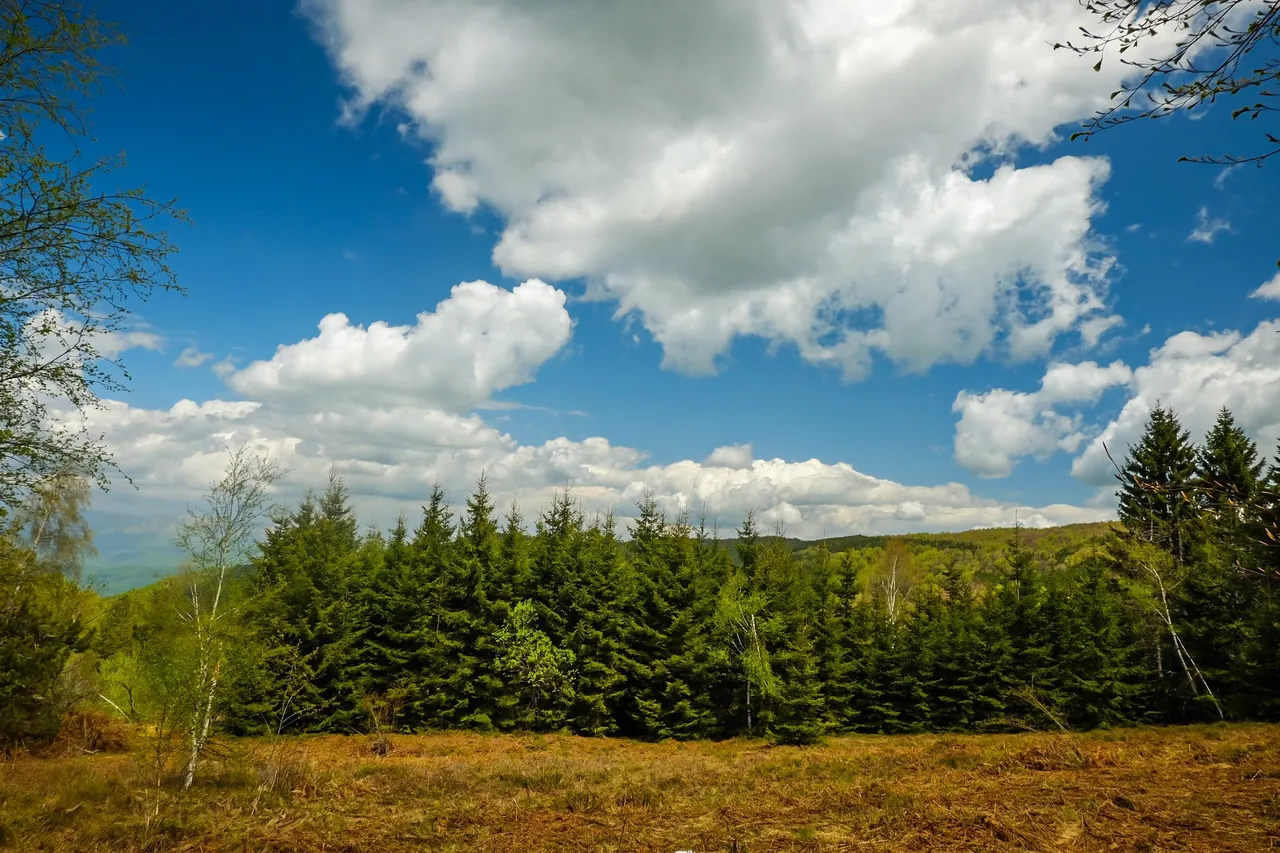
Ridden since 2016, 70 kilometres, from the embankment to Ostrozub.
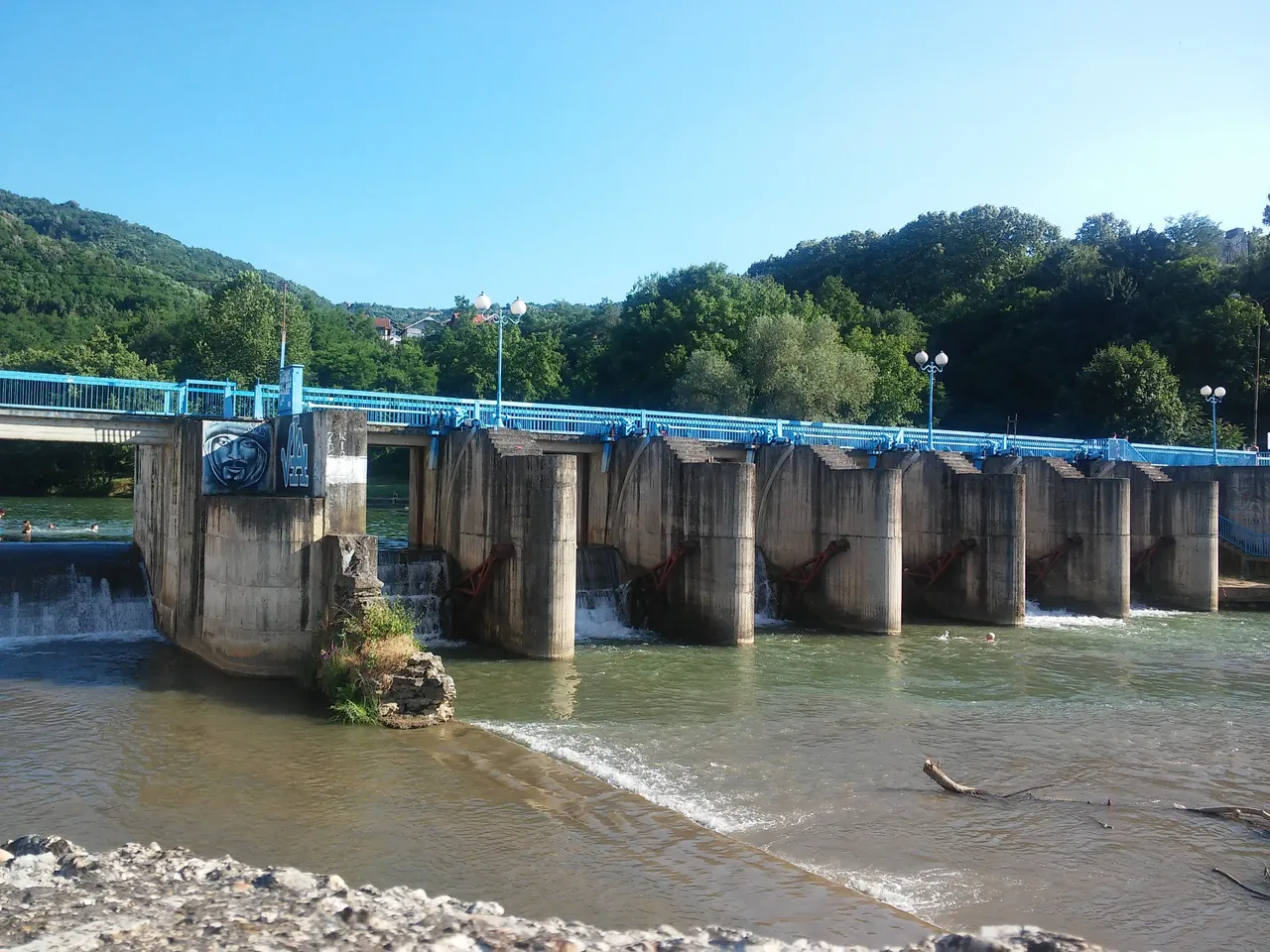
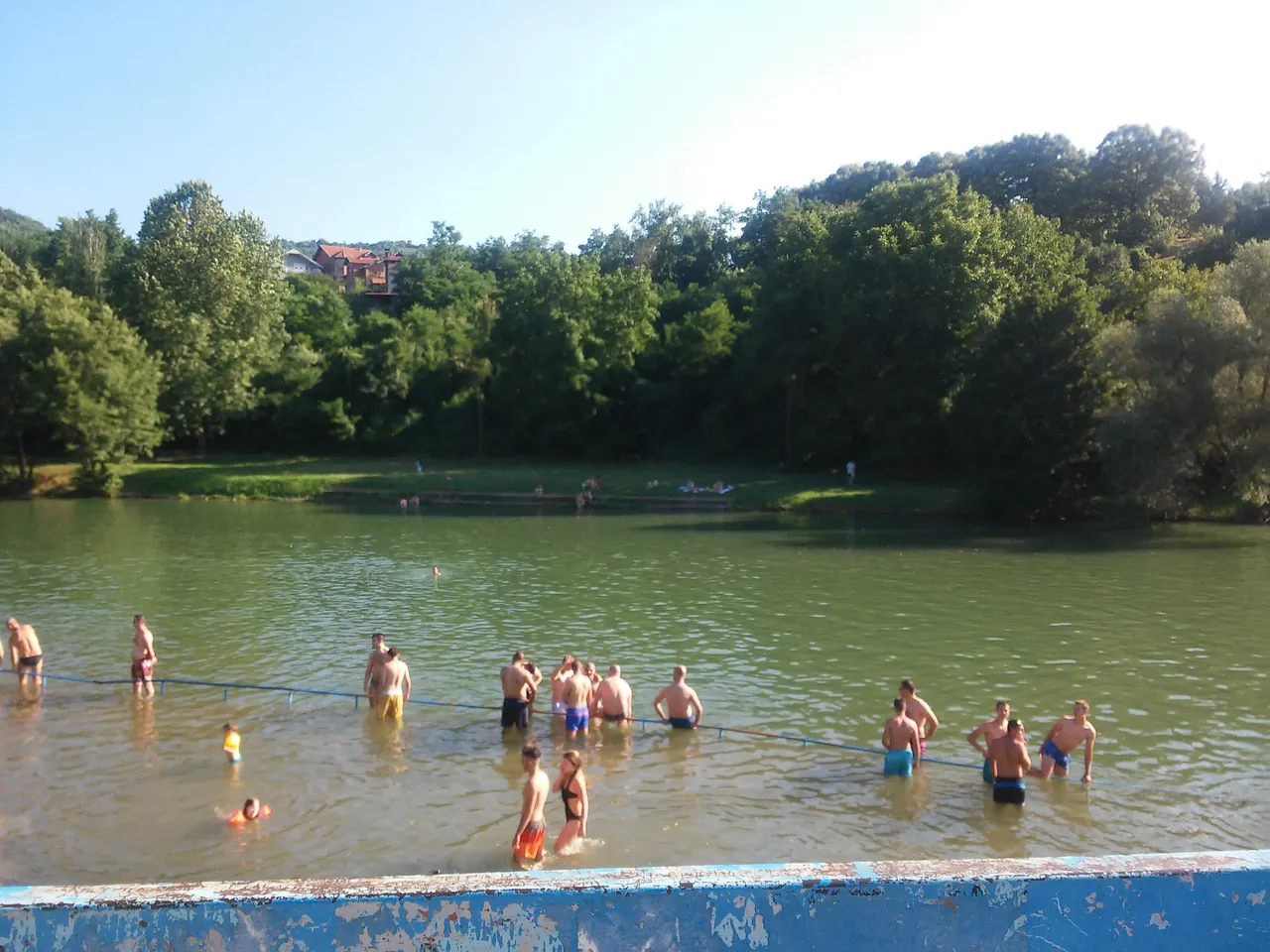
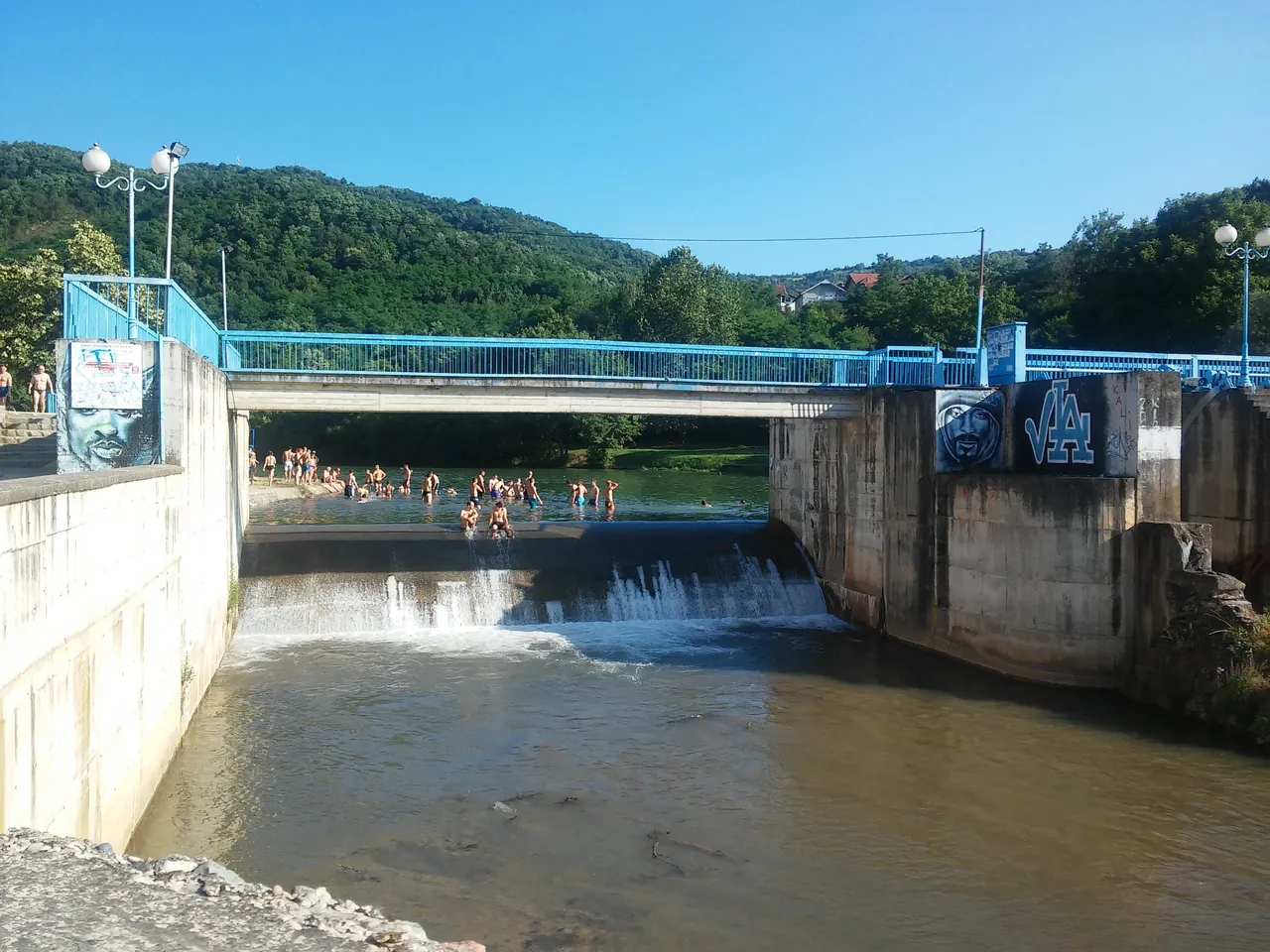
Besides the town bathing area, people swim at Pukli kamen and near the villages of Svođe and Kruševica. For the 2026 season the municipality announced lifeguards every day from 11 to 19 h.
The fortieth Wine Ball was held on 21 and 22 August 2026. The first was on 13 July 1960. The best premium white was the Sauvignon Blanc of Časlav Stojiljković, with 95 points.
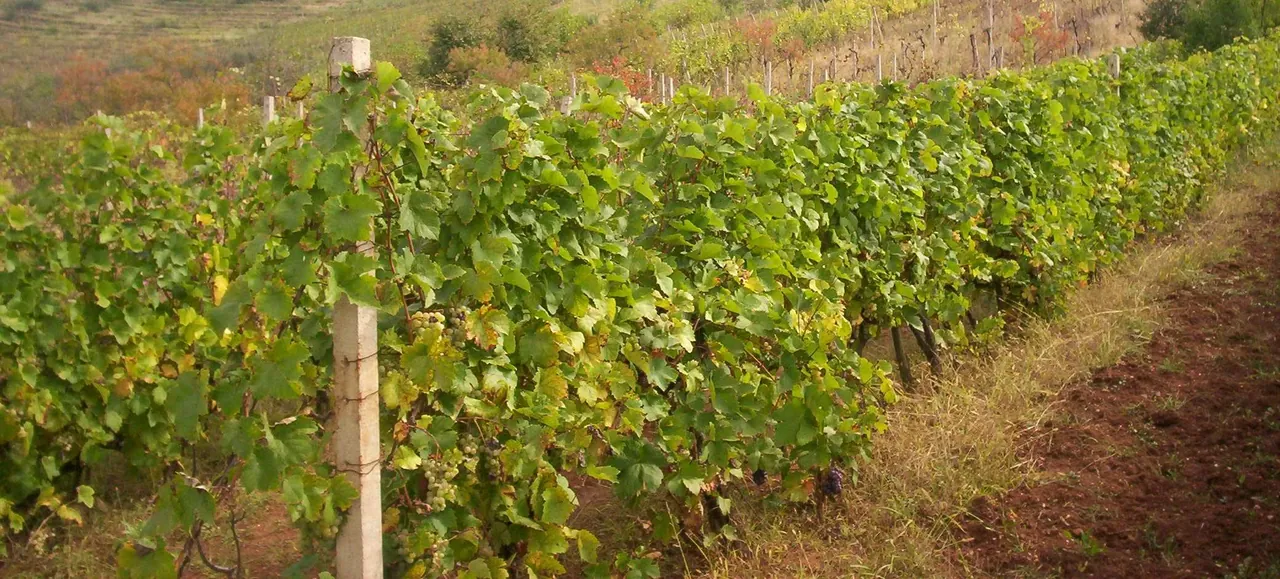
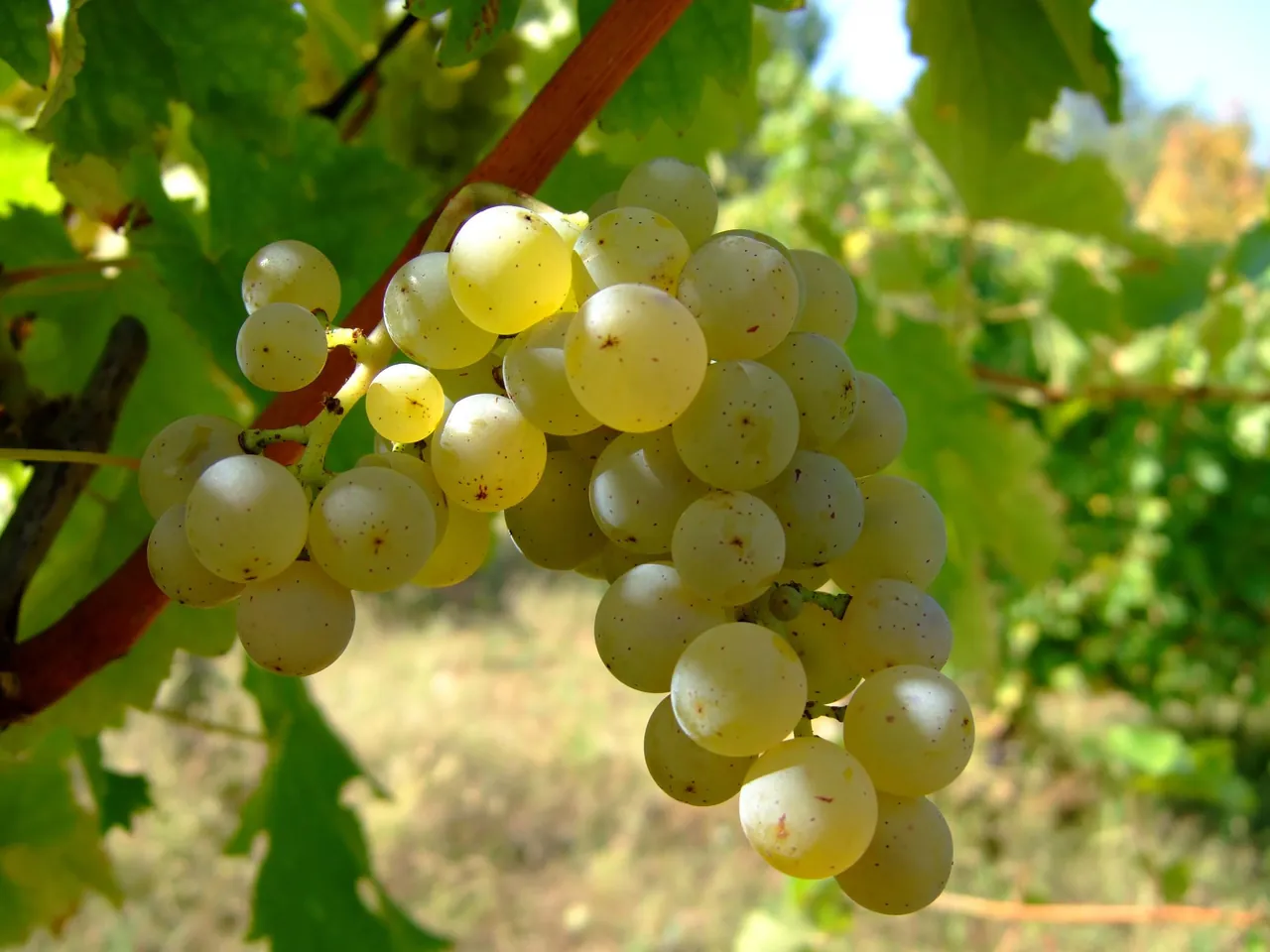
When the Leskovac-Vranje railway bypassed the town in 1886, the people of Vlasotince turned to their vineyards. Until 1895 only the local vine, plovdina, was planted. The district nursery opened in 1901, the processing plant in 1930.
After the Second World War most of the wine was sold in Slovenia, and 60 per cent of Belgrade's caterers were supplied from the Vlasotince wine district. In the record year of 1968, 1,200 wagonloads of grapes were picked. Vlasotince winemakers produce wines known as “Plemenka”, “Ružica”, “Grom” and “Biserka”.
According to the Tourist Organisation, wine today is made by families, and in recent years new winemakers have appeared too. Here, raising a glass of wine is nothing unusual.
Ukusi juga (Tastes of the South), the food and drink festival on the embankment, has been held since 2018, on the weekend around 27 September.
Painter, researcher of traditional culture and collector, born in Vlasotince in 1886. He was noticed at the Paris Salon in 1923, and from 1919 he photographed the locals, old buildings and the panorama of the town. His collection is on display in Manak's House in Belgrade. This year marks 140 years since his birth.
Born in Vlasotince in 1882. He was mayor of Belgrade from 1935 to 1939.
Hydraulic engineer and mayor of Belgrade, who grew up in Vlasotince. The embankment on the Vlasina was built to his plan, and Belgrade's coat of arms was adopted on his initiative, in 1931.
Industrialist. He founded FK “Vlasina” in 1920, when he brought the first football and football boots from Vienna, and six years later he launched the newspaper “Vlasina”.
Painter, printmaker and art teacher, born in Vlasotince in 1932. His bequest is kept by the Local History Museum and Gigina kuća.
Screenwriter, born in Sinj in 1933, died in Vlasotince in 2024. At the end of the Wine Ball concert the people of Vlasotince pay tribute to him with torches and the song “A, sad, adio”.
Actor, humorist and TV presenter, born in Vlasotince in 1968. He started out as manager of the Amateur Valter Theatre. He is buried in Vlasotince.
Actor, born in Vlasotince in 1969, known as Tika Špic “iz selo Stajkovce kod Vlasotince” (from the village of Stajkovce near Vlasotince).
Vojvoda (commander) in the First Serbian Uprising, born in Gradište. In folk literature he is known as Ilija Delija.
Merchant, banker and winemaker. After the First World War his premises were rented for the library, and members brought chairs from their own homes.
In 2019 the Nešić Embankment was decorated with the murals “Sinovi vlasotinački” (Sons of Vlasotince). All the people and their stories
“I thought Vlasotince was a village ... But how surprised I was when I entered the town, so clean, white, civil and orderly ...”
Milan Rakić, 1880, as quoted by the Municipality of Vlasotince
Vlasotince is first mentioned in Turkish records. In the 16th century “Vlašotinac” has about 600 inhabitants and 66 houses.
The census records 519 houses and 2,626 souls.
The Leskovac-Vranje railway bypasses the town.
The engineer Bartos draws up an urban plan; it was carried out only in 1922 and 1923.
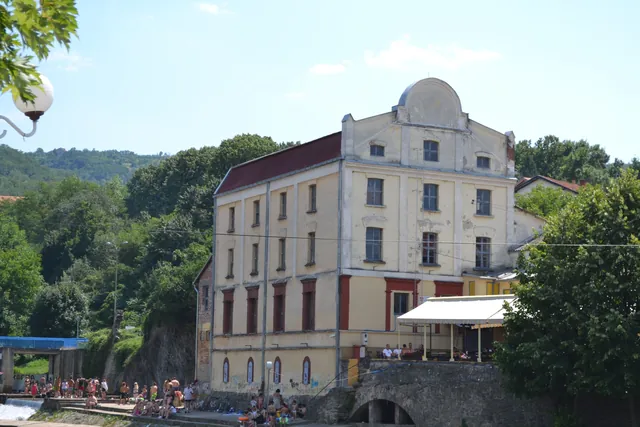
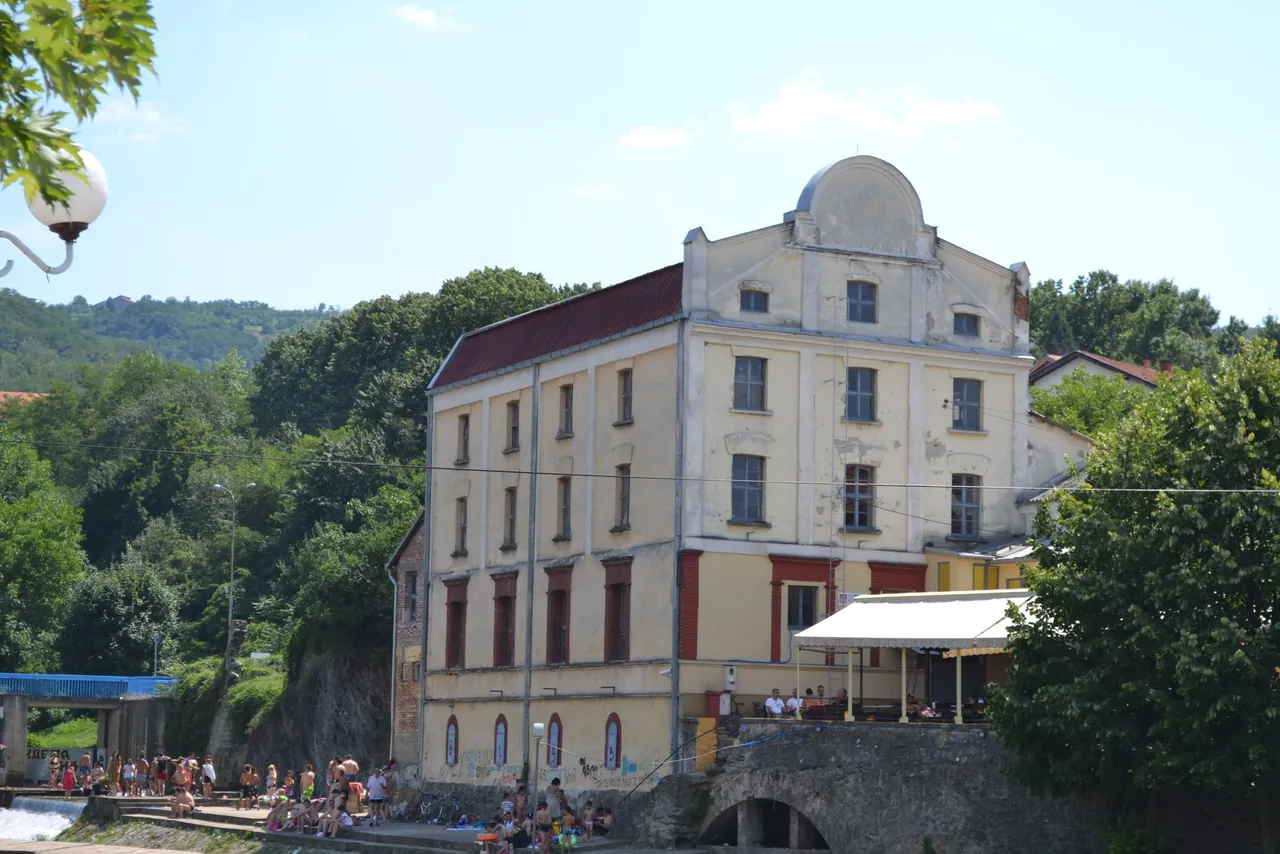
The Popović Mill is working on the Vlasina. From 1912 its generator gives the town its first electricity.
On the sixteenth of September the first issue of the newspaper “Vlasina” comes out, 200 copies at one dinar each.
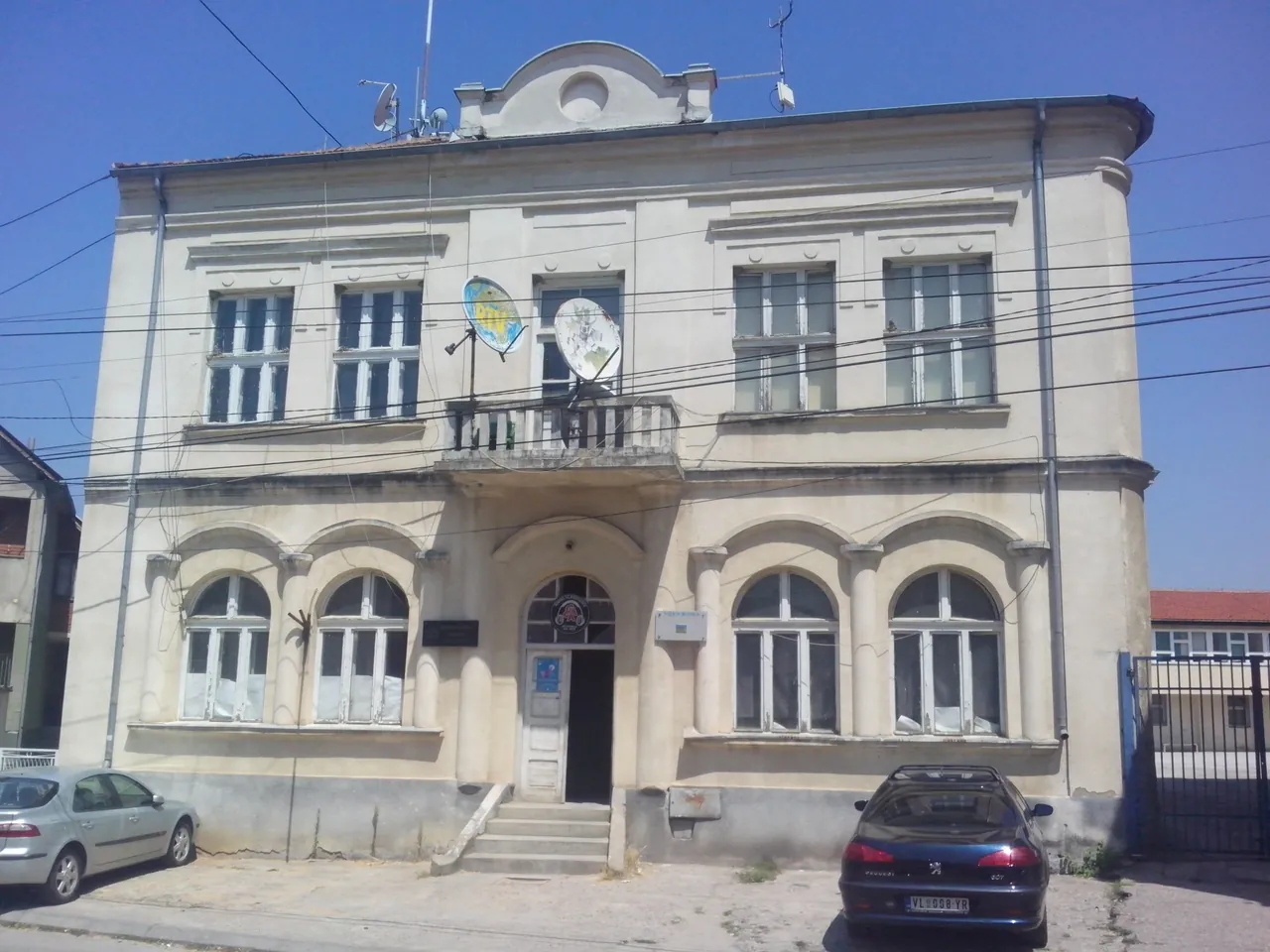
Around this year the Narodni dom is built.
On the tenth of October Vlasotince is liberated. That day is now Municipality Day.
After the flood of 1948, construction of the embankment on the Vlasina begins in July.
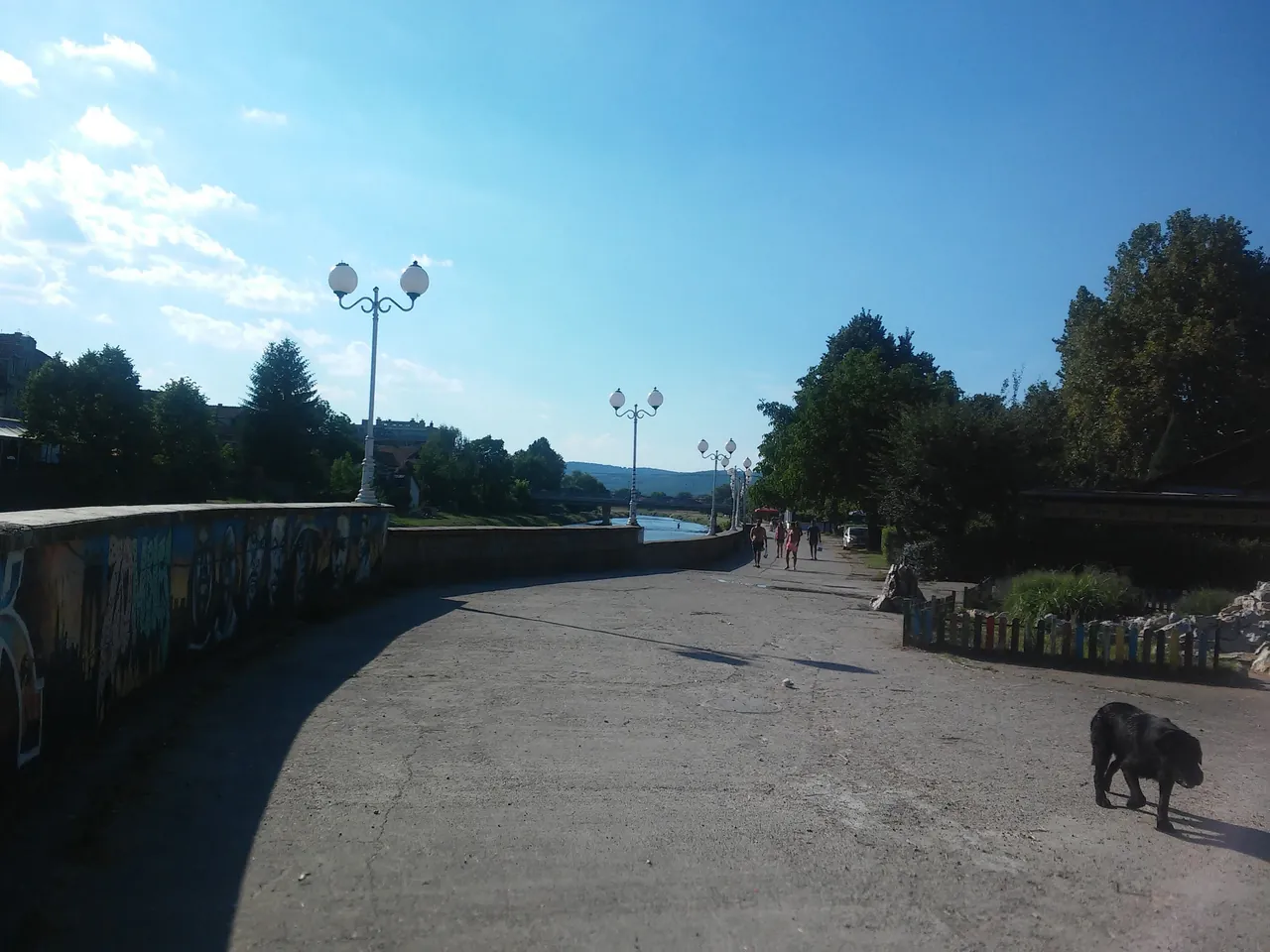
On the thirteenth of July the first Wine Ball is held.
The Cultural Centre is founded. Its building today stands on the site of the former hotel of Proka Crnilović, father of the painter Hristifor Crnilović.
The Local History Museum opens in the Turska kula.
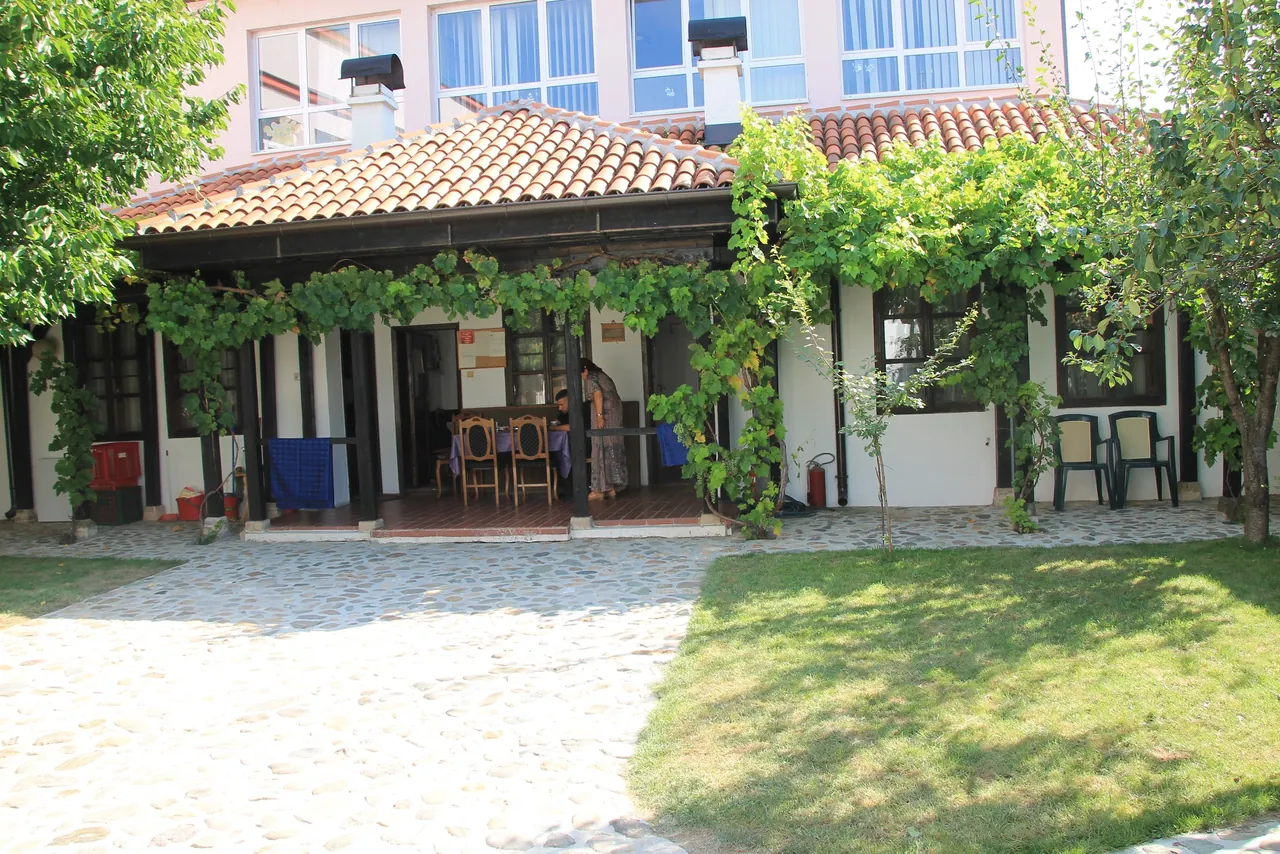
A flood in the night of 26 to 27 June: the houses of more than a quarter of the people of Vlasotince were under water. 1,700 buildings were flooded, and 120 were completely destroyed.
A hundred years of the newspaper “Vlasina” and the fortieth Wine Ball.
Fifteen events on one wheel. The blue line is today; turn the wheel to see another month.
Turn the wheel to see another month.
Police 192, fire brigade 193, ambulance 194.
Vlasotince is 17 kilometres east of Leskovac, on the M9 main road Leskovac-Vlasotince-Babušnica-Pirot.
Lake Vlasina, in the Municipality of Surdulica, is 56 kilometres away. Coming from Belgrade, the shortest route to it leads through Vlasotince.
The Leskovac-Vranje railway of 1886 bypassed the town.
Non-profit.
For Vlasotince.
Ovde Vlasotince is a non-profit site. Its aim is to help Vlasotince move forward.
It is not a site of the Municipality of Vlasotince or of the Tourist Organisation. Every fact has a source, and we take announcements from the organisers.
